


Introduction to EU Food Business Operator (FBO) Requirements
Selling food or feed products in the European Union requires strict compliance with EU food safety regulations. Under EU food law, every food product placed on the EU market must be associated with a Food Business Operator (FBO) responsible for ensuring product safety, regulatory compliance, and supply-chain traceability.
For businesses located outside the EU, it is often necessary to appoint an EU-based partner that can act as the responsible operator or support regulatory compliance activities. Without proper compliance structures in place, food products may face import delays, market restrictions, or removal from retail and e-commerce platforms.
Complico Consulting GmbH helps international food brands, manufacturers, and distributors navigate EU regulatory requirements by providing expert support for Food Business Operator compliance, documentation management, and regulatory guidance.
What Is a Food Business Operator (FBO)?
A Food Business Operator (FBO) is the legal entity responsible for ensuring that food products placed on the EU market comply with applicable food safety laws and regulatory requirements.
The concept of an FBO is defined in Regulation (EC) No 178/2002, also known as the EU General Food Law, which establishes the foundation for food safety governance across the European Union.
An FBO can include:
- Food manufacturers
- Importers and distributors
- Brand owners and private label companies
- Online food retailers
- Food processors and packaging companies
The FBO must ensure that food products are safe for consumption and that all regulatory obligations are fulfilled throughout the supply chain.
Key Responsibilities of a Food Business Operator
Food Business Operators play a critical role in maintaining food safety across the EU market. Their responsibilities cover regulatory compliance, product safety monitoring, and cooperation with authorities.
Key FBO responsibilities include:
Ensuring Product Safety
FBOs must verify that food products meet EU food safety standards and do not pose risks to consumer health.
Regulatory Compliance
Products must comply with EU food legislation, including ingredient restrictions, contaminant limits, and additive regulations.
Traceability Management
FBOs must maintain traceability systems that allow authorities to track food products across the supply chain. This includes identifying suppliers, manufacturers, and distributors involved in the product lifecycle.
Food Labeling Compliance
Food labeling must follow EU rules regarding:
- ingredient lists
- allergen declarations
- nutritional information
- country of origin
- storage instructions
Cooperation With Authorities
FBOs serve as the primary contact point for national food safety authorities during inspections, regulatory inquiries, or product investigations.
Product Recall and Risk Management
If a product presents a safety risk, the FBO must take immediate action, including product withdrawal or recall, and notify the appropriate authorities.
Products That Require FBO Compliance
Many food and feed products placed on the EU market require compliance with FBO obligations. These products include a wide range of food categories and nutritional products.
Common examples include:
- Dietary supplements and vitamins
- Herbal products and botanical extracts
- Packaged snacks and processed foods
- Beverages and functional drinks
- Honey and natural food products
- Infant and baby foods
- Plant-based food products
- Pet food and animal feed products
Each category may also be subject to additional regulatory frameworks, such as novel food approvals or specific labeling requirements.
Why Non-EU Companies Need FBO Support
Companies located outside the European Union often face additional challenges when entering the EU food market. Regulatory compliance can be complex, and authorities require clear accountability for food safety.
Without proper compliance support, businesses may encounter:
- import restrictions or border inspections
- product registration challenges
- marketplace listing removal
- regulatory penalties or recalls
By working with an experienced compliance partner such as Complico Consulting GmbH, international food companies can ensure that their products meet EU legal requirements before entering the market.
Food Labeling and Documentation Requirements
EU food labeling rules are designed to provide transparent information to consumers and ensure product safety. Food Business Operators must verify that product labels include mandatory information.
Essential labeling elements include:
- product name and description
- ingredient list with allergens highlighted
- nutritional information table
- net quantity of the product
- expiry or best-before date
- storage instructions
- name and address of the responsible operator
- country of origin (when applicable)
Accurate labeling helps prevent misleading information and ensures consumers can make informed choices.
Traceability and Supply Chain Transparency
Traceability is one of the most important requirements under EU food law. Food Business Operators must maintain systems that allow authorities to identify where food products originate and where they are distributed.
Traceability records typically include:
- supplier information
- ingredient sourcing details
- batch and lot numbers
- production records
- distribution and logistics documentation
Effective traceability systems allow authorities to quickly remove unsafe products from the market and minimize risks to consumers.
How Complico Consulting GmbH Supports Food Business Operators
Complico Consulting GmbH provides comprehensive regulatory support to food businesses entering the European market. Our services are designed to help companies meet EU compliance requirements efficiently and reduce regulatory risks.
Our FBO-related services include:
- regulatory compliance consultation
- ingredient and formulation review
- food labeling verification
- product documentation preparation
- traceability system guidance
- regulatory communication support
- EU market entry strategy for food products
Our experienced team works closely with manufacturers, distributors, and brand owners to ensure that food products meet all applicable EU regulatory requirements.
Expand Your Food Business in the European Market
The European Union is one of the largest and most regulated food markets in the world. Businesses that understand and comply with EU food safety regulations can benefit from access to millions of consumers and a stable regulatory environment.
With the support of Complico Consulting GmbH, food companies can navigate regulatory complexities with confidence and successfully introduce their products to the European market.
Our expertise helps businesses maintain compliance, reduce regulatory risks, and build long-term success in the EU food industry.
Top 10 FAQs – Food Business Operator (FBO) Services
1. What is a Food Business Operator (FBO) in the EU?
A Food Business Operator (FBO) is the individual or company responsible for ensuring that food products placed on the European Union market comply with food safety regulations. Under EU General Food Law (Regulation EC 178/2002), the FBO ensures product safety, traceability, labeling compliance, and cooperation with regulatory authorities.
2. Do non-EU companies need a Food Business Operator in Europe?
Yes. Companies located outside the EU often need an EU-based importer, distributor, or partner acting as a responsible operator to ensure compliance with European food safety regulations. Without proper regulatory responsibility within the EU, products may face import restrictions or removal from the market.
3. What are the main responsibilities of a Food Business Operator?
A Food Business Operator must ensure that food products meet EU regulatory standards. Key responsibilities include maintaining product safety, verifying ingredient compliance, ensuring proper food labeling, managing traceability systems, and cooperating with food safety authorities during inspections or investigations.
4. Which products require Food Business Operator compliance?
Most food and feed products sold in the EU require compliance with FBO obligations. Examples include dietary supplements, packaged foods, beverages, herbal products, honey, infant foods, and pet food products.
5. What EU regulations apply to Food Business Operators?
Food Business Operators must comply with several EU regulations, including the EU General Food Law (Regulation EC 178/2002), Food Information to Consumers Regulation (EU 1169/2011), and other sector-specific regulations related to additives, contaminants, and food safety standards.
6. What information must appear on EU food labels?
EU food labels must include key information such as the product name, ingredient list, allergen declarations, nutritional information, net quantity, best-before or expiry date, storage instructions, and the name and address of the responsible Food Business Operator.
7. What is traceability in EU food compliance?
Traceability refers to the ability to track food products throughout the supply chain, from raw materials to distribution. Food Business Operators must maintain records identifying suppliers, ingredients, production batches, and distribution channels to ensure rapid response if food safety issues arise.
8. What happens if food products do not comply with EU regulations?
If food products fail to meet EU food safety regulations, authorities may take enforcement actions such as import rejection, product recalls, fines, or removal from retail and online marketplaces. Ensuring proper FBO compliance helps businesses avoid these risks.
9. How can Complico Consulting GmbH help with FBO compliance?
Complico Consulting GmbH provides regulatory support for food companies entering the EU market. Our services include food labeling review, regulatory compliance consultation, ingredient verification, documentation preparation, and guidance on EU food safety requirements.
10. Why is FBO compliance important for international food brands?
FBO compliance ensures that food products meet strict European safety and regulatory standards. By meeting these requirements, international food brands can legally access the EU market, build consumer trust, and avoid regulatory penalties.
Top 5 european Authority sources
- EU General Food Law – Regulation (EC) No 178/2002
- Food Information to Consumers Regulation (EU) 1169/2011
- European Commission – Food Safety
- EFSA – European Food Safety Authority
- EU Traceability Rules for Food Businesses
.
Download Food label EU Guideline
Related Posts:
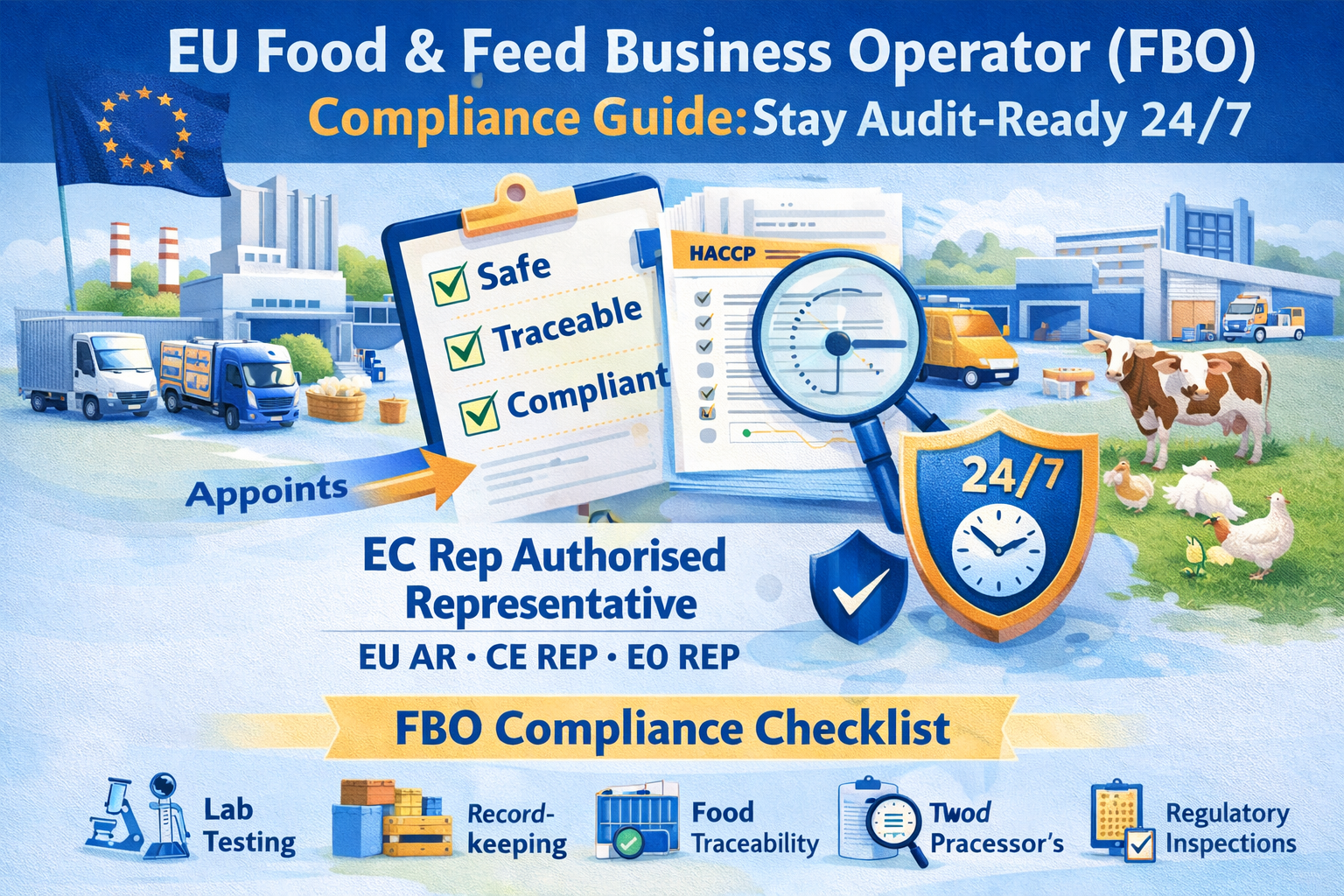
EU Food & Feed Business Operator (FBO) Compliance Guide: Stay Audit-Ready 24/7
FBO (Food Business Operator) Service for Online Sellers in Europe
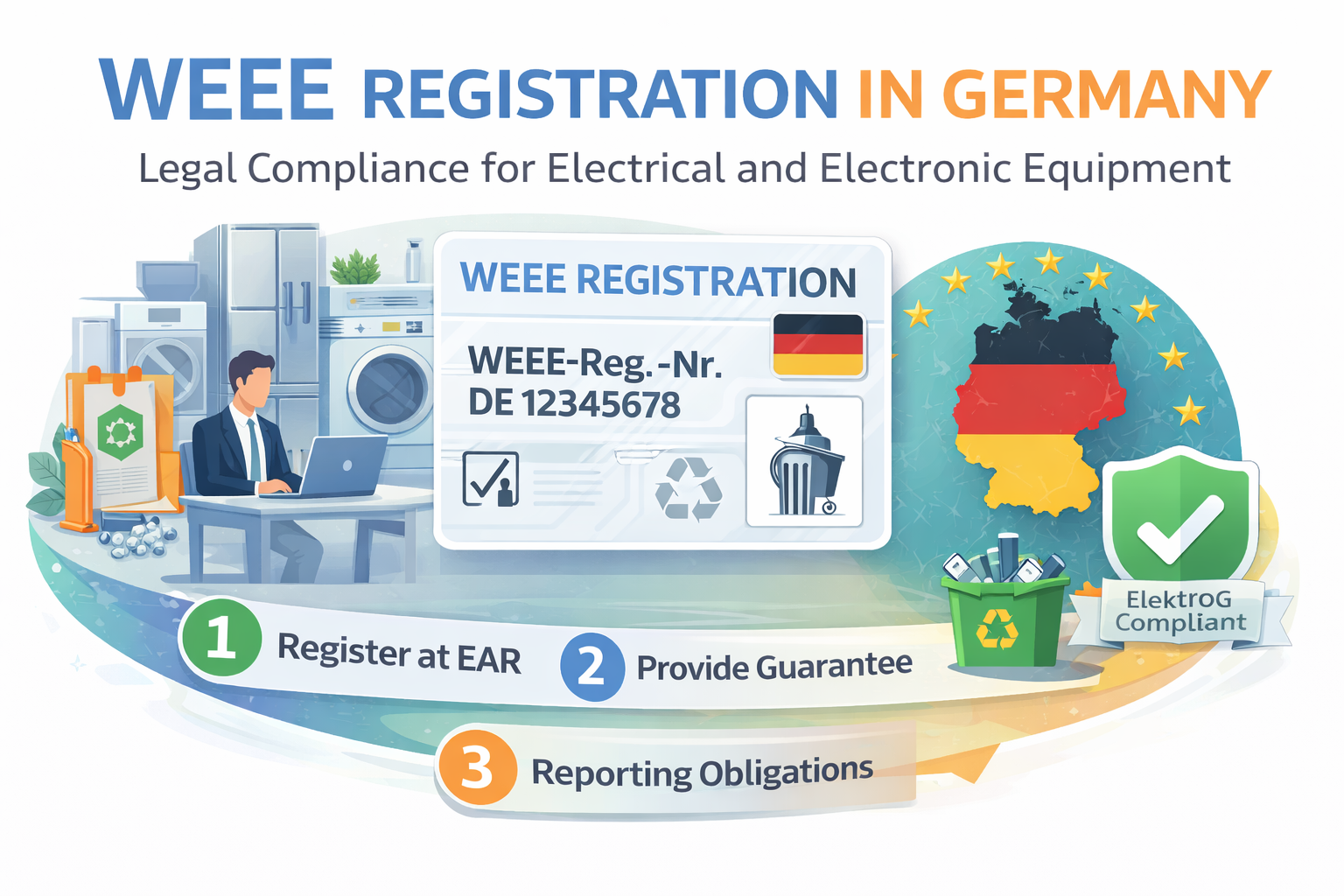
What is a WEEE Number and How Do You Get One in Germany ?
SDS Safety Data Sheets for Amazon Sellers: Complete Compliance Guide
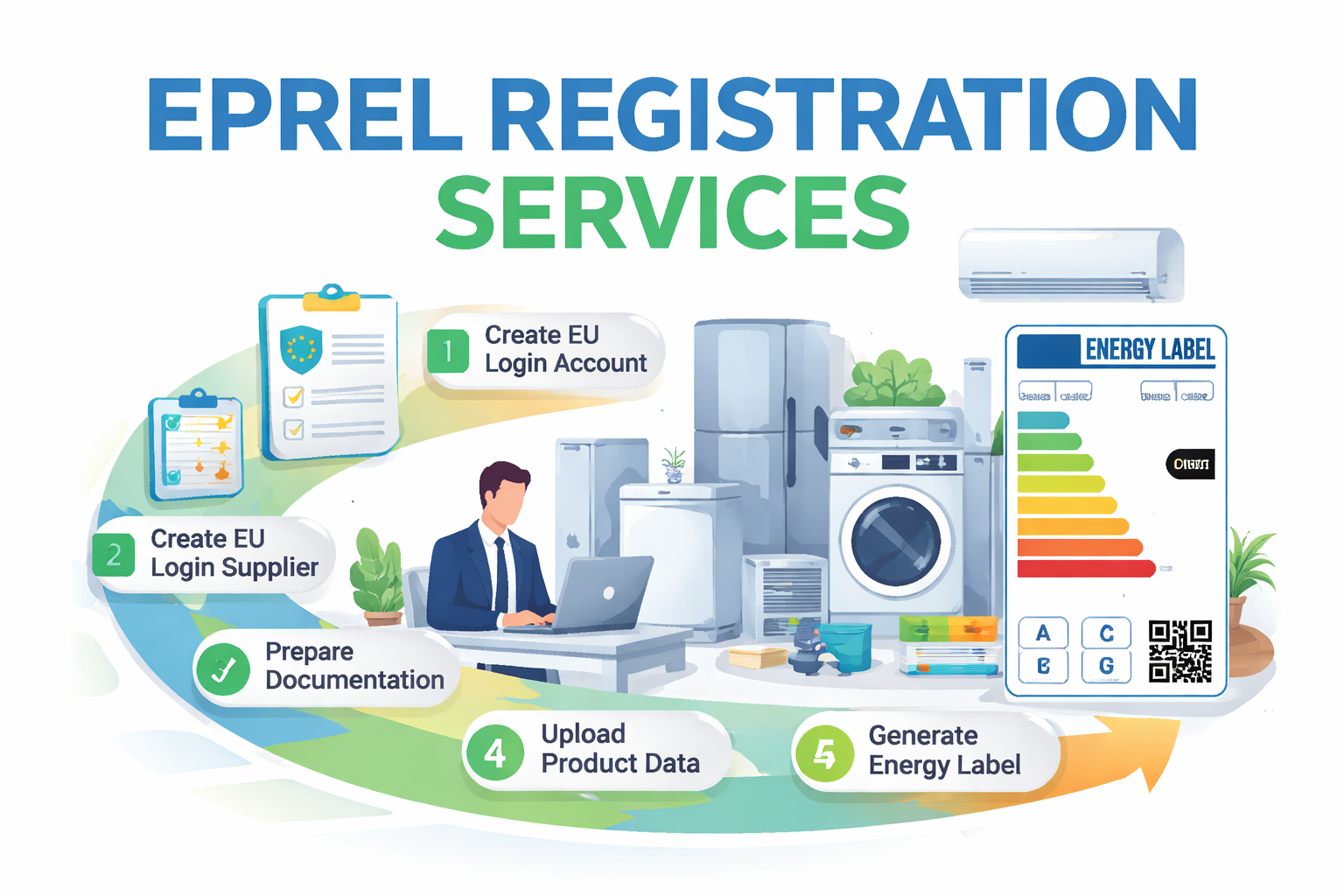
5-Step EPREL Registration Services: Energy-Related Products in the EU
