


.
Selling electrical and electronic equipment (EEE) to European customers offers massive growth potential, but it comes with strict environmental responsibilities. As cross-border e-commerce expands, European regulators have tightened the net on electronic waste. For 2026, the landscape of extended producer responsibility (EPR) is stricter than ever, particularly for overseas merchants.
If you are a non-EU seller relying on platforms like Amazon or eBay, or selling directly through your own website, securing a WEEE number in Europe is no longer optional—it is your ticket to market access.
Here is everything you need to know about navigating the latest WEEE regulations, avoiding costly penalties, and understanding why partnering with an EPR Authorized Representative is your first step to compliance.
What is a WEEE Number Europe ?
WEEE stands for Waste Electrical and Electronic Equipment. The EU WEEE Directive requires anyone placing electronic goods on the European market to finance the collection, recycling, and environmentally sound disposal of those products at the end of their lifecycle.
A WEEE number is a unique registration ID issued by national environmental authorities (such as the stiftung ear in Germany) that proves your business is registered and compliant with the local e-waste laws. It signals to customs, marketplaces, and consumers that you are actively funding the recycling of the electronics you sell.
The 2026 Regulatory Landscape: Why Non-EU Sellers Must Act Now
Regulatory bodies across the EU are aggressively cracking down on non-compliant distance sellers. The 2026 updates heavily focus on closing loopholes that previously allowed overseas sellers to bypass recycling fees.
1. Marketplaces as “Producers”
Major online marketplaces are increasingly being held legally responsible for the WEEE compliance of third-party sellers on their platforms. Consequently, these platforms now require a valid WEEE number before allowing you to list electronics. No number means immediate delisting and blocked sales.
2. Tighter Enforcement and Penalties
Customs authorities are now frequently cross-checking VAT numbers against producer registrations to flag shipments from non-registered sellers. If you fail to comply, you risk:
- Blocked Sales: Immediate suspension of marketplace listings.
- Confiscation: Goods held or permanently seized at the border.
- Heavy Fines: Substantial financial penalties that can severely impact your bottom line.
What is an EPR Authorized Representative ?
Because the WEEE Directive is implemented on a country-by-country basis within the EU, there is no single “EU-wide” WEEE number. You must register in each individual member state where you sell your goods.
However, if your business is based outside the EU (e.g., in China, the US, or the UK post-Brexit), you cannot register directly with national authorities. Legally, you are required to appoint an EPR Authorized Representative.
An EPR Authorized Representative is a legally designated entity located within the specific EU country that assumes responsibility for your WEEE compliance. Their crucial duties include:
- Acting as your legal liaison with national environmental agencies.
- Submitting your registration and securing your WEEE number.
- Filing mandatory monthly or quarterly sales declarations on your behalf.
- Ensuring you pay the correct, proportional recycling fees to the local Producer Responsibility Organizations (PROs).
Without an EPR Authorized Representative, non-EU distance sellers simply cannot legally enter the market.
Step-by-Step Registration Process for Non-EU Sellers
Securing compliance doesn’t have to be a bureaucratic roadblock. Here is the streamlined process for getting your electronics to market legally in 2026:
Step 1: Appoint an EPR Authorized Representative
Before you can even apply for a registration number, you must sign a legal mandate with an authorized representative based in your target country.
Step 2: Determine Your Product Categories
WEEE is divided into specific categories (e.g., large appliances, small IT equipment, screens, lighting, and newly expanded categories like e-cigarettes/vapes). You must accurately classify your products to determine your specific financial and reporting obligations.
Step 3: Register and Obtain the Number
Your representative will submit your company details, brand names, and product categories to the national registry. Once processed and approved, you will be issued your official WEEE number.
Step 4: Implement Proper Labeling
All applicable products must be permanently marked with the crossed-out wheeled bin symbol. This label informs European consumers that the product must not be disposed of in standard municipal waste.
Step 5: Ongoing Reporting and Payment
Compliance is not a one-time event. You must continuously report the volume and weight of the electronics you place on the market and pay the associated recycling fees to maintain your active registration status.
Secure Your European Operations with Complico Consulting GmbH
Navigating the fragmented environmental regulations of the European Union takes time and highly specialized expertise. Missteps can lead to disrupted supply chains, stranded inventory, and severe legal headaches.
At Complico Consulting GmbH, we specialize in simplifying complex regulatory hurdles for international businesses. We serve as your trusted partner, helping you secure your WEEE number Europe swiftly and accurately. Whether you need a legally mandated EPR Authorized Representative or comprehensive, humanized guidance on product safety and environmental compliance across multiple member states, our experts handle the heavy lifting so you can focus on scaling your sales.
Ensure your products keep moving seamlessly across borders. Partner with Complico Consulting GmbH today to secure your continuous WEEE compliance for 2026 and beyond.
More about WEEE Number Europe Resources
- EU Official WEEE Overview
- EU Business Guide – WEEE Responsibilities
- WEEE Label & Compliance Requirements
Related Posts:
The Ultimate Guide to Appointing an EPR Authorized Representative in Europe
The Ultimate Guide: How to Get a WEEE Number Germany in 2026
WEEE Registration Compliance Guide in Germany: A Complete Guide for Producers
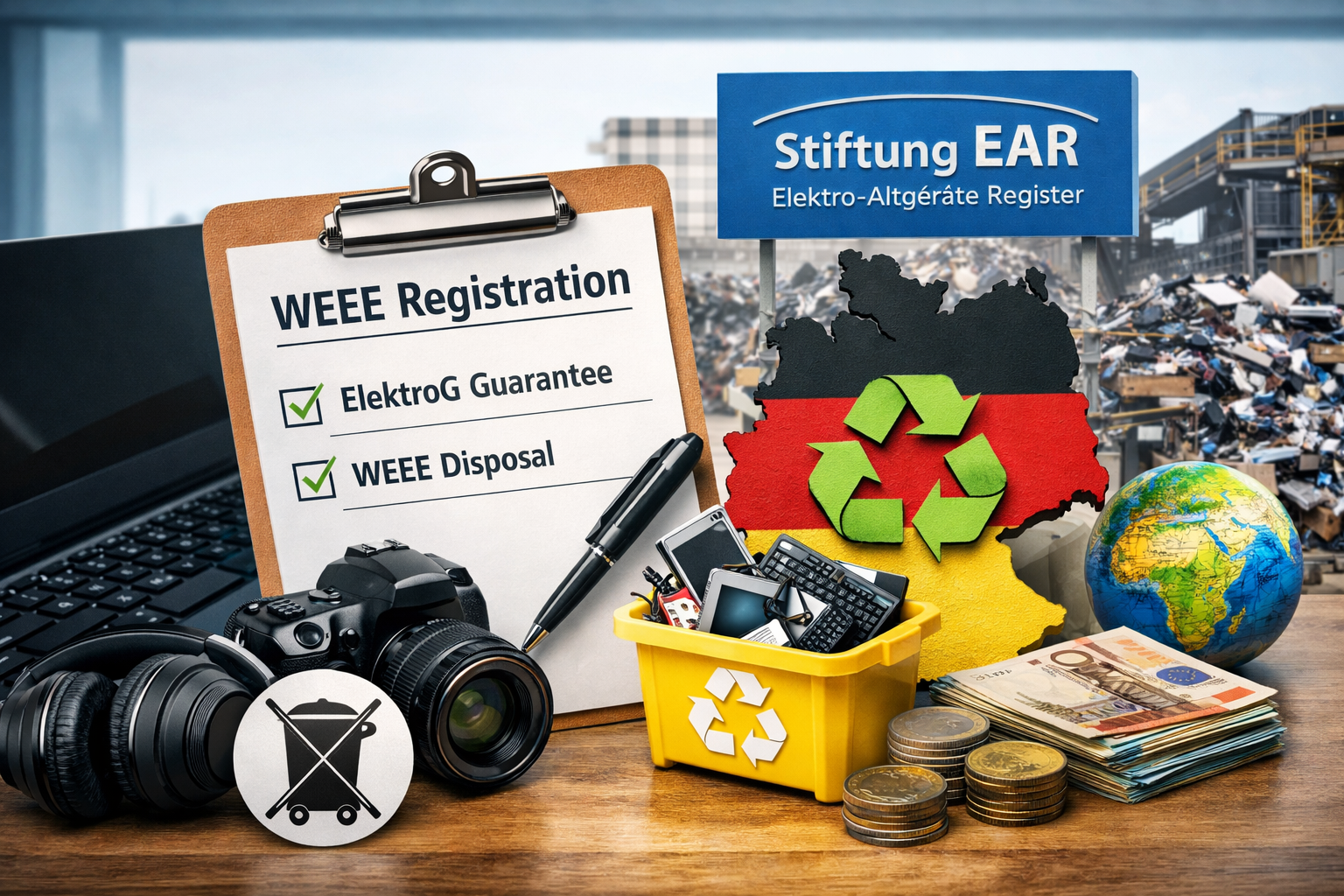
WEEE Registration – ElektroG Guarantee – WEEE Disposal
Do Small Sellers Need WEEE Registration in Europe ?
