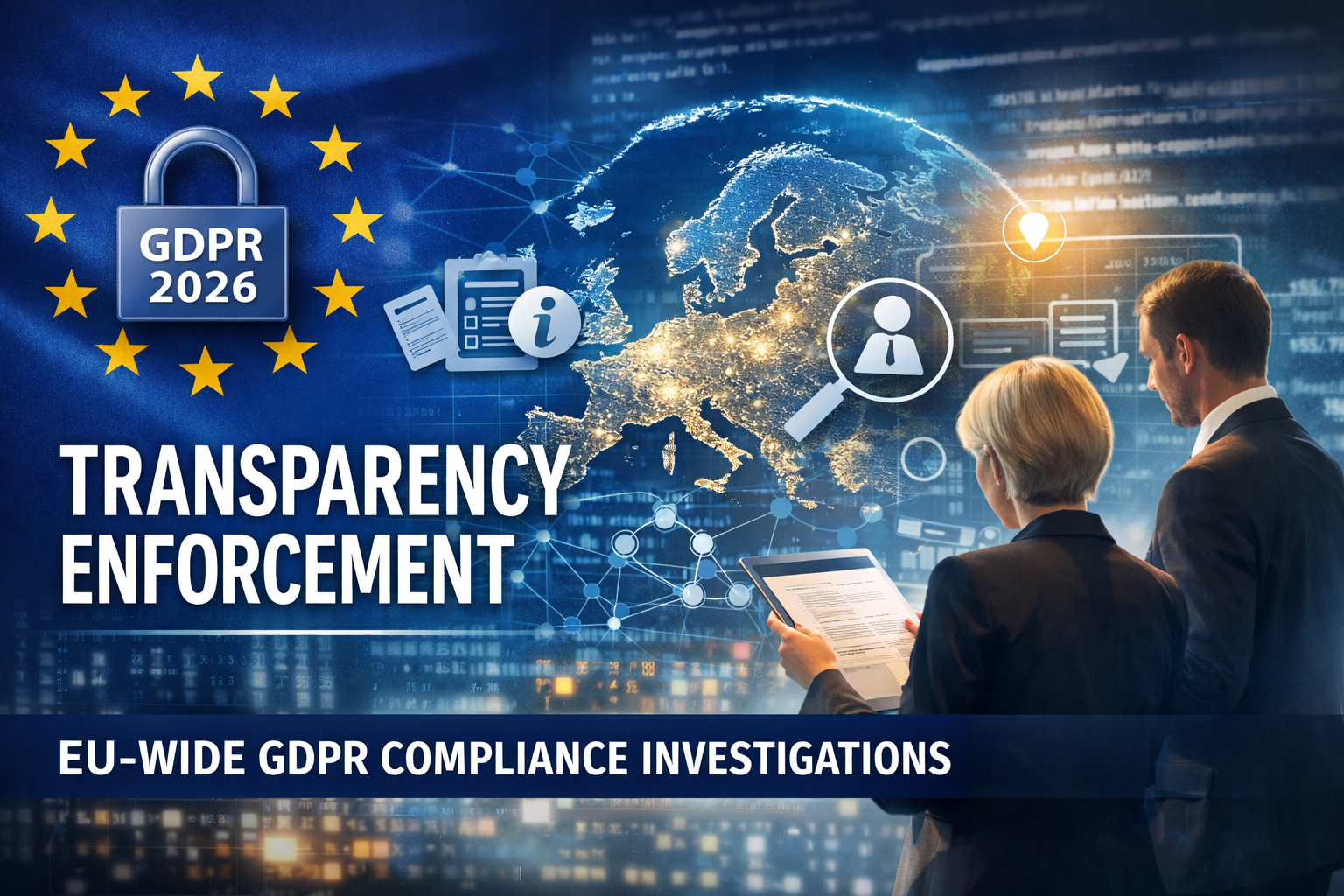


The European e-commerce landscape is shifting rapidly. For manufacturers, brand owners, and international sellers targeting the European market, navigating environmental regulations is no longer an afterthought—it is a strict prerequisite for doing business. At the forefront of these environmental compliance frameworks is the Waste Electrical and Electronic Equipment (WEEE) Directive.
If you sell electronics on Amazon, eBay, Etsy, or TikTok Shop, you have likely already received notifications regarding your Extended Producer Responsibility (EPR) requirements. As we move deeper into 2025, regulatory bodies and online marketplaces are closing enforcement loopholes, making WEEE registration EU mandatory for anyone looking to maintain active listings and avoid severe penalties.
This comprehensive guide breaks down everything you need to know about WEEE compliance in 2025, upcoming regulatory shifts for 2026, and how to seamlessly protect your cross-border operations.

What is the WEEE Directive ?
The Waste Electrical and Electronic Equipment (WEEE) Directive (2012/19/EU) is a European Union regulation designed to minimize the environmental impact of electronic waste. Electronics contain complex, sometimes hazardous materials that can cause severe environmental damage if sent to standard landfills. Conversely, they also contain valuable secondary raw materials that can be recovered and reused.
Under the EPR principle, the WEEE Directive shifts the financial and physical responsibility of dealing with end-of-life electronic products back to the “producers” who place them on the market. This means funding the collection, treatment, recycling, and environmentally sound disposal of electronics.
Who is Considered a “Producer” and Needs WEEE Registration EU?
One of the most common misconceptions among e-commerce sellers is the definition of a “producer.” You do not need to operate a factory or physically manufacture the goods to be classified as a producer under the directive.
You must secure WEEE registration EU if your business falls into any of the following categories:
- Manufacturers: You manufacture electrical and electronic equipment (EEE) and sell it under your own brand in an EU member state.
- Importers: You import EEE from a non-EU country (such as China or the US) and sell it commercially in an EU member state for the first time.
- White-Label Sellers / Rebranders: You buy unbranded electronics or products from other manufacturers and sell them under your own brand or trade name.
- Cross-Border Distance Sellers: You are established in one country (inside or outside the EU) and sell EEE directly to end-users (B2C or B2B) in another EU member state via an online shop or marketplace.
If you are a merchant based in the US, the UK, or Asia utilizing platforms like Amazon FBA to sell chargers, smart home devices, or electronic toys to consumers in Germany or France, you are legally considered the producer in those destination countries.
2025 & 2026 Regulatory Updates: What is Changing ?
The regulatory environment is tightening. The European Commission and individual national environmental agencies recognized that the rise of global distance selling created an uneven playing field. Compliant domestic companies were paying their recycling dues, while many international drop-shippers and marketplace sellers operated outside the system.
Here are the critical updates you need to be aware of for 2025 and looking ahead to 2026:
1. Online Marketplaces as Enforcers (and Producers)
In recent years, legislation like the EU Market Surveillance Regulation has forced fulfillment centers and marketplaces to ensure compliance. In 2025, platforms like Amazon, AliExpress, and Zalando are utilizing automated systems to block listings if a valid WEEE registration number is not provided. Furthermore, in regions like the UK, a major 2025 amendment has reclassified online marketplace operators as “producers” when they facilitate sales from non-domestic sellers, forcing them to foot the bill or aggressively police their third-party merchants.
2. The Integration of the Battery Directive
Many electronic products contain batteries, adding a secondary layer of compliance. By the end of 2025 and into 2026, the updated EU Battery Regulation will strictly enforce separate labeling (QR codes, capacity indicators) and reporting. If you sell a wireless mouse, you do not just need WEEE registration EU for the electronics; you also need battery EPR registration. Marketplaces are beginning to mandate battery registration numbers alongside WEEE numbers to keep listings active.
3. Stricter Scope and New Categories
Regulatory bodies are constantly reviewing the categories of electronics. For example, disposable e-cigarettes and rechargeable vapes are seeing aggressive re-categorization, demanding separate reporting, specific collection infrastructure, and significantly higher compliance fees heading into 2026 due to their complex recycling nature.
4. Harmonization of Data
While the WEEE Directive is an EU-wide framework, it is implemented individually by each member state. This means you need a separate registration for Germany, France, Spain, etc. However, efforts are underway in 2025 to begin harmonizing the reporting formats across national registers to reduce the administrative burden on cross-border sellers.
The Role of an Authorized Representative
A fundamental hurdle for non-EU sellers is the requirement for legal representation. If your business does not have a registered, physical branch in the EU member state where you are selling, you cannot simply register directly with the national environmental authority (such as Stiftung EAR in Germany).
Instead, you are legally obligated to appoint an Authorized Representative.
An Authorized Representative is a legal entity located within the target country that assumes responsibility for your WEEE obligations. They will:
- Apply for the WEEE registration EU on your behalf.
- Sign contracts with Producer Responsibility Organizations (PROs) or Producer Compliance Schemes (PCS).
- Submit your monthly, quarterly, or annual sales reports to the national registry.
- Assume the legal liability if reporting is inaccurate or compliance is breached.
This is not a simple administrative checkbox; it is a binding legal partnership essential for market access.
A Step-by-Step Guide to WEEE Registration EU
Achieving compliance can seem daunting, but it can be broken down into a systematic process. Here is how international sellers can secure and maintain their compliance across Europe.
Step 1: Audit Your Product Catalog
Determine exactly which products fall under the WEEE Directive. Equipment is generally categorized into groups such as:
- Temperature exchange equipment (fridges, air conditioners)
- Screens and monitors
- Lamps
- Large equipment (washing machines, large medical devices)
- Small equipment (vacuum cleaners, microwaves, consumer electronics)
- Small IT and telecommunication equipment (smartphones, routers, GPS)
You must know the exact weight and category of the electrical goods you place on the market.
Step 2: Appoint an Authorized Representative
If you lack a local branch, partner with a compliance firm that offers Authorized Representative services. This must be done before you attempt to register or sell products.
Step 3: Register with the National Authority
Through your representative, register your brand and product categories with the specific national register.
- In Germany, this is Stiftung EAR.
- In France, it is handled via SYDEREP.
- In the UK, you register with the Environment Agency.
Upon successful processing, you will be issued a unique WEEE registration number.
Step 4: Join a Producer Responsibility Organization (PRO)
National registries do not collect the physical waste themselves. You must enter into a financial guarantee and operational contract with an approved PRO or compliance scheme. You pay fees to this scheme based on the exact tonnage of electronics you place on the market; they use those funds to manage the physical collection and recycling infrastructure.
Step 5: Update Your Marketplaces
Once you have your registration numbers, immediately input them into your Amazon Seller Central, Etsy dashboard, or TikTok Shop backend. The marketplaces will verify the number against the national registry database. Only when it matches will your account be safe from suspension.
Step 6: Ongoing Reporting
Compliance is not a one-time event. You must continuously report the volume (in kilograms or units) of electronics you sell into each country. Depending on the member state, this reporting could be monthly, quarterly, or annually. Over-reporting costs you excess fees; under-reporting opens you up to fines.
The True Cost of Non-Compliance
Attempting to fly under the radar in 2025 is a high-risk strategy that will eventually disrupt your business. The consequences of ignoring WEEE registration EU requirements are severe:
- Immediate Marketplace Suspension: Amazon, eBay, and other platforms operate under strict liability laws. They will immediately suppress your listings or suspend your seller account entirely if you cannot provide valid EPR numbers.
- Financial Penalties: Fines for WEEE violations can be crippling. In Germany, failure to register with Stiftung EAR can result in fines of up to €100,000 per violation. In France, penalties can reach €30,000 per offense.
- Customs Seizures: Border authorities and market surveillance teams frequently check imports for proper documentation and labeling (such as the crossed-out wheelie bin symbol). Non-compliant shipments can be detained, blocked from entering the EU, or destroyed at your expense.
- Loss of Profit and Reputation: Beyond the fines, the operational downtime while you scramble to retroactively fix compliance issues can cost weeks of lost revenue and permanently damage your standing in marketplace algorithms.
Streamlining Your EU Compliance with Complico Consulting GmbH
Navigating the fragmented regulatory landscape of the European Union requires specialized expertise, especially when balancing WEEE alongside the General Product Safety Regulation (GPSR), packaging EPR, and data protection laws.
At Complico Consulting GmbH, we specialize in shielding international e-commerce sellers, manufacturers, and B2B enterprises from regulatory friction. Our core focus is ensuring your products flow seamlessly across borders without interference from customs or marketplace compliance bots.
We provide end-to-end support for your market entry and sustained growth, offering:
- EU Authorized Representative Services: We act as your legal representative on the ground, holding the required registrations in your name.
- Comprehensive EPR & WEEE Management: We handle the complexity of your WEEE registration EU, Battery Directive compliance, and Packaging EPR across multiple jurisdictions.
- Data Reporting & Scheme Contracting: We calculate your volumes, manage contracts with local recycling schemes, and ensure your reporting is accurate and timely.
- Importer of Record (IOR) & Export of Record (EOR) Services: We facilitate smooth international shipping, acting as the responsible party for customs clearance into the EU and the UK.
- GPSR & Product Safety Strategy: We align your technical documentation, labeling, and product safety protocols with the rigorous 2025/2026 European standards.
Stop worrying about listing suspensions and start focusing on scaling your sales. Partner with a consultancy that understands the intersection of regulatory law and modern e-commerce logistics.
Ready to secure your compliance for 2025 and beyond ?
Let us simplify the regulatory framework for your business.
Complico Consulting GmbH Bahnhofstr 12, 63549, Ronneburg, Germany
- Email: info@complicoconsulting.com
- WhatsApp: +49 160 7959362
- Website: complicoconsulting.com
Official Regulatory Portals
1.The European Commission: WEEE Directive Official Page
2.European WEEE Registers Network (EWRN)
3.The Challenge of National Variations in WEEE Compliance
4.Transitioning to a Circular Economy
5.20-Year Evolution of EU E-Waste Regulations
Related Posts:
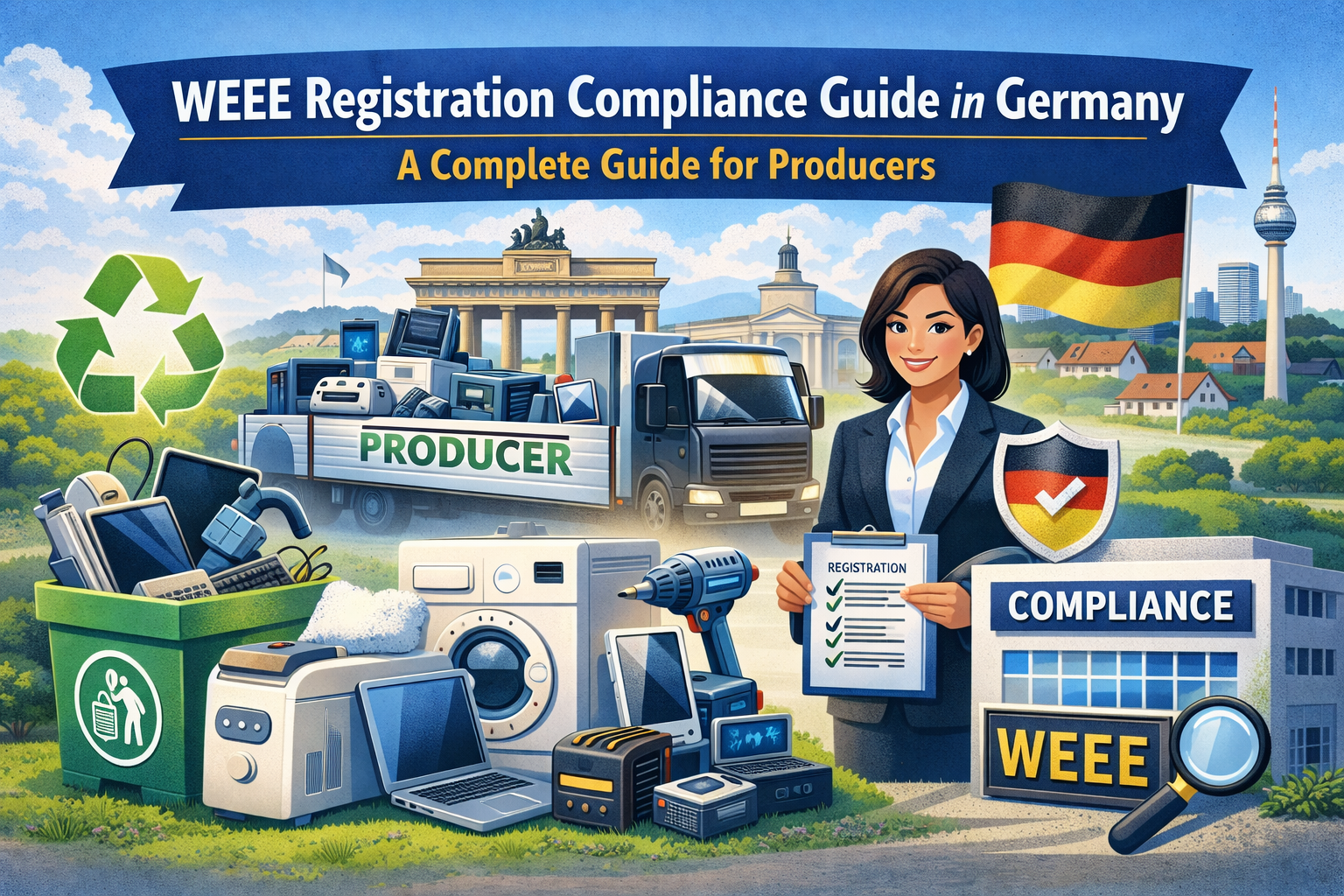
WEEE Registration Compliance Guide in Germany: A Complete Guide for Producers

The Ultimate Guide to Appointing an EPR Authorized Representative in Europe
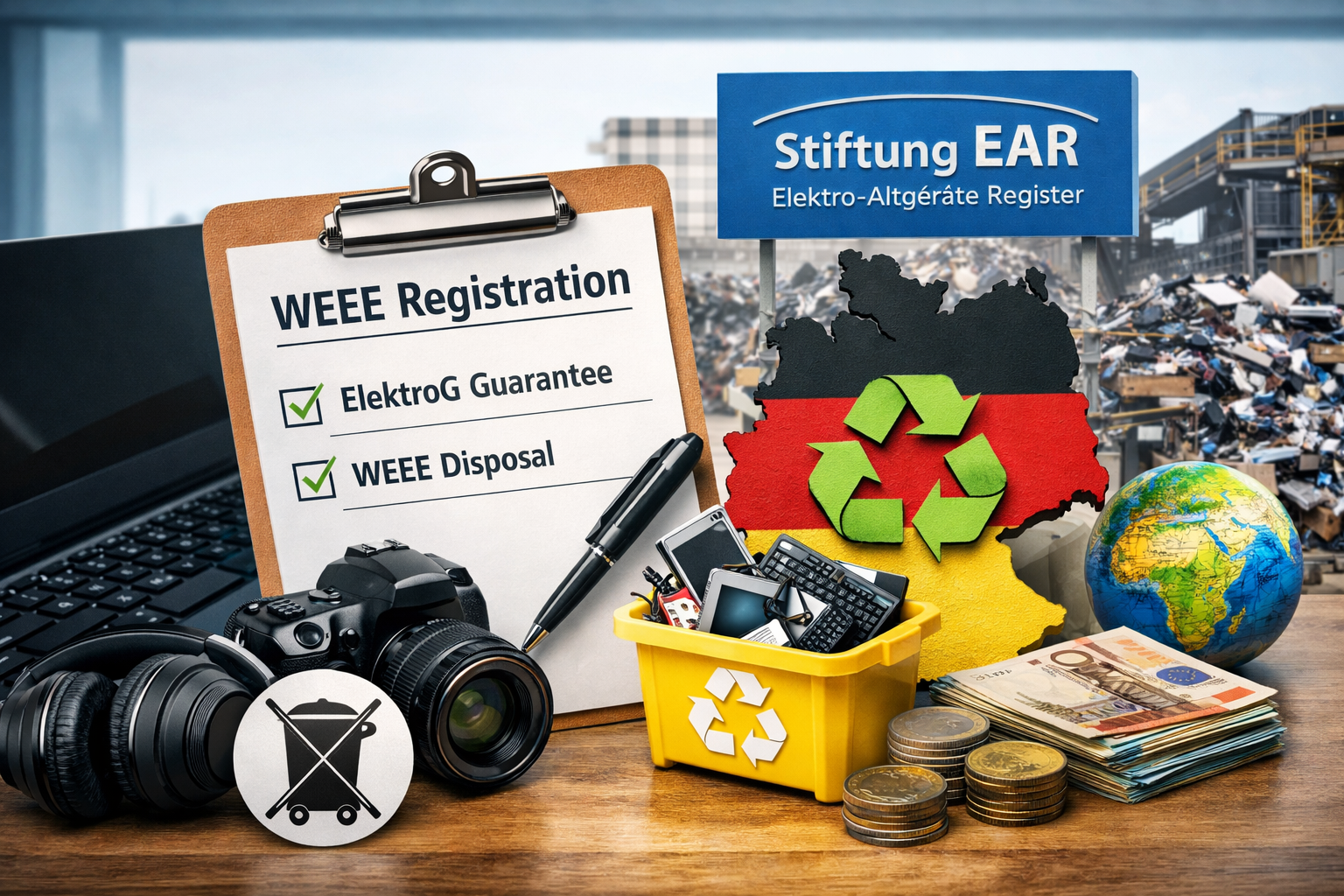
WEEE Registration – ElektroG Guarantee – WEEE Disposal
The Ultimate Guide: How to Get a WEEE Number Germany in 2026

What is a WEEE Number Europe ? Complete Guide for Non-EU Sellers (2026)