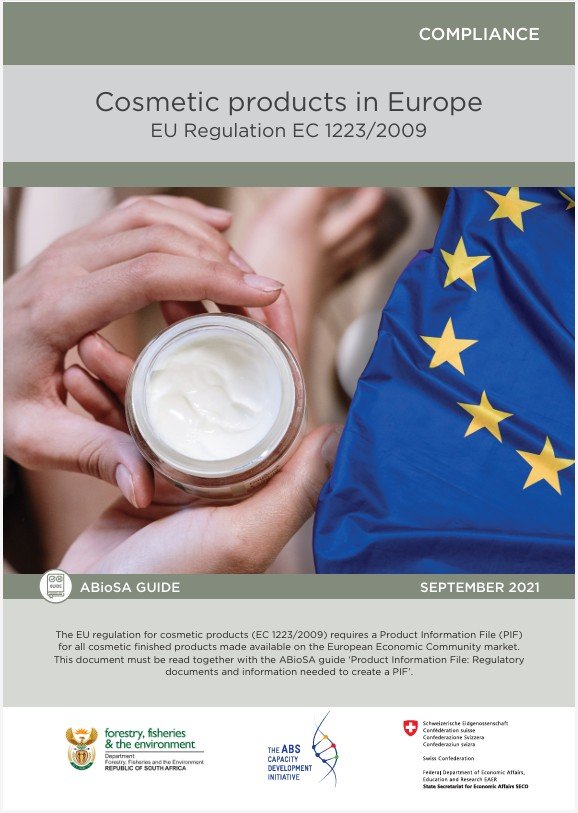


The European Union has one of the strictest regulatory frameworks for cosmetic products in the world. Companies that manufacture or sell perfumes, fragrances, or cosmetic products must comply with Regulation (EC) No 1223/2009 on Cosmetic Products.
A key requirement of this regulation is the appointment of an EU Responsible Person (RP). The Responsible Person is the legal entity responsible for ensuring that cosmetic products comply with all EU safety, labeling, and documentation requirements before they are placed on the market.
For fragrance brands, perfume manufacturers, beauty startups, and e-commerce sellers outside the EU, appointing a Responsible Person is essential to legally sell products in European countries.
Below are the 12 most important things you should know about the EU Responsible Person for fragrances and cosmetics.
12 Key Points About EU Responsible Person for Fragrances and Cosmetics
1. Legal Requirement for EU Market Access
The appointment of an EU Responsible Person is a mandatory legal requirement for any cosmetic product sold within the European Union. This means perfumes, body mists, scented oils, and fragrance-based cosmetics cannot be marketed without first designating a Responsible Person located in the EU.
If a product is placed on the EU market without an RP, authorities may block imports, remove products from retailers or online marketplaces, and impose penalties. This rule applies to all companies regardless of size, including small e-commerce brands and private label perfume manufacturers.
2. Defined Under the EU Cosmetics Regulation
The role and responsibilities of the Responsible Person are clearly defined under Regulation (EC) No 1223/2009 on Cosmetic Products, which regulates the safety and labeling of cosmetic products across the EU.
The regulation ensures that every cosmetic product has one clearly identifiable entity responsible for compliance. This prevents regulatory gaps and ensures that authorities always have a contact within the EU who can provide product documentation, safety information, and compliance records when requested.
3. Fragrances Are Considered Cosmetic Products
Under EU law, fragrances and perfumes are classified as cosmetic products because they are applied externally to the body for the purpose of perfuming or enhancing personal hygiene and appearance.
Examples of fragrance products that fall under this category include:
- Eau de parfum
- Eau de toilette
- Perfume oils
- Body sprays
- Scented lotions
- Fragrance mists
Because of this classification, these products must follow the same regulatory framework as skincare, makeup, and beauty products.
4. Responsible Person Must Be Based in the EU
The Responsible Person must be physically established in the European Union or the European Economic Area (EEA).
This means companies located outside the EU—such as those in the United States, United Kingdom, China, India, or Australia—must appoint a representative within Europe to act on their behalf.
The RP serves as the official regulatory contact for EU authorities and is responsible for maintaining compliance documentation within the EU territory.
5. Ensures Product Compliance With EU Regulations
One of the main responsibilities of the Responsible Person is ensuring that the cosmetic product meets all requirements of EU legislation before being placed on the market.
This includes verifying that:
- Ingredients comply with EU restrictions and bans
- The formulation is safe for human use
- Manufacturing follows Good Manufacturing Practices (GMP)
- Product claims are accurate and not misleading
If the product does not meet these requirements, the Responsible Person must ensure corrective actions are taken before the product can be sold.
6. Maintains the Product Information File (PIF)
Every cosmetic product sold in the EU must have a Product Information File (PIF) maintained by the Responsible Person.
The PIF must be stored at the Responsible Person’s EU address and be accessible to authorities for at least 10 years after the last product batch is placed on the market.
The PIF usually contains:
- Product description
- Cosmetic Product Safety Report (CPSR)
- Manufacturing method and GMP compliance
- Proof of product claims
- Animal testing statements
- Labeling information
Authorities can request this documentation at any time.
7. Oversees the Cosmetic Product Safety Report (CPSR)
Before a cosmetic product is launched in the EU, it must undergo a safety assessment conducted by a qualified toxicologist or safety assessor.
The result of this evaluation is the Cosmetic Product Safety Report (CPSR), which confirms that the product is safe for consumers when used as intended.
The Responsible Person must ensure that this report is prepared and included in the Product Information File before the product is marketed.
8. Responsible for CPNP Notification
All cosmetic products must be registered in the Cosmetic Products Notification Portal (CPNP) before they are sold in the EU market.
The Responsible Person usually completes this notification process. The CPNP registration requires submission of information such as:
- Product category
- Ingredient list
- Responsible Person contact details
- Packaging images
- Nanomaterial information (if applicable)
This notification allows EU authorities and poison control centers to quickly access product information if needed.
9. Ensures Correct Cosmetic Labeling
Cosmetic products sold in the EU must follow strict labeling requirements. The Responsible Person verifies that the product packaging contains all required information.
Mandatory labeling elements include:
- Name and address of the Responsible Person
- Country of origin (for imported products)
- Ingredient list using INCI names
- Product function
- Batch number
- Shelf life or Period After Opening (PAO)
- Warnings or precautions
Incorrect labeling can result in product recalls or marketplace removals.
10. Monitors Product Safety After Market Launch
The Responsible Person also monitors product performance after it is placed on the market.
If consumers report allergic reactions or adverse effects, the Responsible Person must investigate and determine whether the product poses a safety risk.
If a Serious Undesirable Effect (SUE) occurs, it must be reported to EU authorities immediately.
11. Acts as the Official Contact for Authorities
EU authorities may request compliance documentation or conduct investigations related to cosmetic products.
The Responsible Person acts as the primary point of contact for regulatory authorities, providing documentation such as:
- Product Information Files
- Safety assessments
- Ingredient information
- Compliance statements
Having a reliable Responsible Person ensures faster communication with regulators and helps prevent enforcement issues.
12. Essential for Non-EU Cosmetic Brands and Online Sellers
The EU Responsible Person requirement is particularly important for non-EU cosmetic brands selling through e-commerce platforms such as Amazon, eBay, and Shopify stores targeting EU customers.
Marketplaces increasingly require proof of EU regulatory compliance. Without an appointed Responsible Person, sellers may face:
- Product listing removals
- Account suspension
- Customs import restrictions
Therefore, appointing an EU Responsible Person is a critical step for expanding fragrance or cosmetic brands into the European market.
FAQs About EU Responsible Person for Cosmetics
1. Do perfumes require an EU Responsible Person?
Yes. Perfumes and fragrances are considered cosmetic products under EU law and require an EU Responsible Person before they can be sold in Europe.
2. Who can act as the Responsible Person?
The Responsible Person can be an EU-based manufacturer, importer, distributor, or a specialized regulatory consulting company located in the EU.
3. Do small cosmetic brands also need a Responsible Person?
Yes. The regulation applies to all cosmetic products regardless of company size, including startups, private label brands, and small e-commerce sellers.
4. Is the Responsible Person responsible for product safety?
Yes. The Responsible Person ensures that the product has undergone safety assessment and complies with EU cosmetic safety regulations.
5. Can one Responsible Person cover multiple cosmetic products?
Yes. One Responsible Person can manage multiple products or product lines as long as each product has the required compliance documentation and PIF.
Top 10 official EU authorities and trusted regulatory organizations:
Need EU Responsible Person for Fragrances and Cosmetics
–
Contact Us
–
Download Cosmetic Product Label Guidelines