
Summarize this article with:
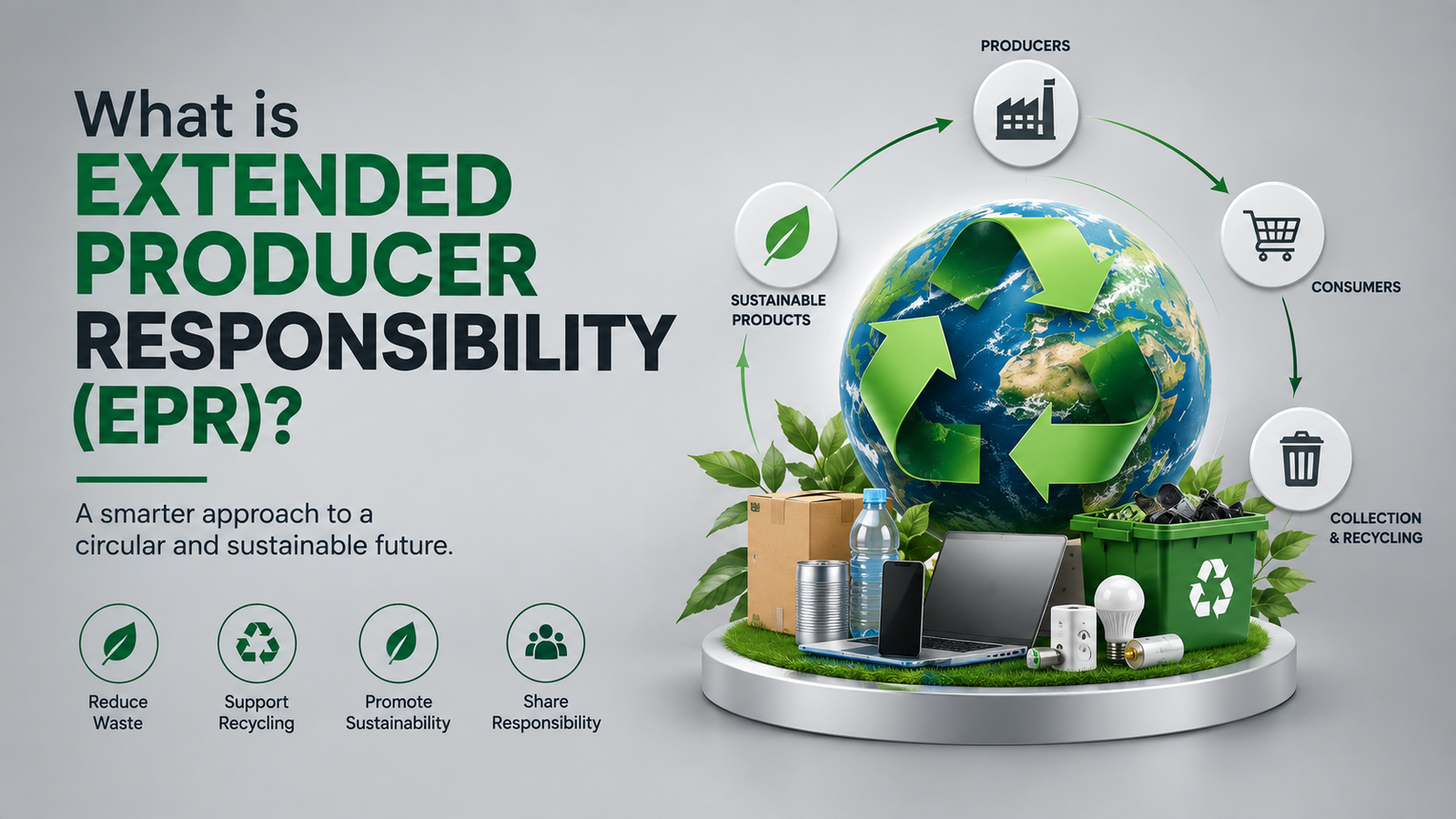
At its core, Extended Producer Responsibility is an environmental policy approach that holds the "producer" of a product responsible for its entire lifecycle specifically its take-back, recycling, and final disposal.
The goal is to reduce waste sent to landfills and incentivize companies to design eco-friendly, highly recyclable products. Instead of placing the financial burden of waste management on local municipalities, EPR shifts the cost to the businesses that put the waste into the market in the first place.
Are You Considered a "Producer" in Germany ?
A common misconception among Amazon sellers is thinking, "I just buy wholesale and resell; I don't manufacture anything, so I'm not a producer."
Under EPR Germany laws, the definition of a "producer" is incredibly broad. You are legally considered a producer (and therefore subject to EPR rules) if you meet any of the following criteria:
You manufacture products subject to EPR in Germany.
You import products subject to EPR into Germany.
You are a foreign business (like a cross-border Amazon seller or drop-shipper) selling products directly to private consumers in Germany.
If you ship a packaged product to a German buyer, you are the producer of that packaging. You are responsible for it.
The 3 Pillars of EPR Germany
Unlike some European countries that handle all recycling under one centralized system, EPR Germany is divided into three distinct legislative pillars. Each has its own registry, its own laws, and its own compliance requirements.
1. Packaging (VerpackG)
The German Packaging Act (Verpackungsgesetz or VerpackG) mandates that anyone placing packaged goods into the German market must participate in a recycling scheme. This doesn't just apply to the colorful box your product comes in—it applies to everything.
Primary Packaging: The immediate box, bag, or wrapper holding the product.
Secondary Packaging: The shipping carton, bubble wrap, packing peanuts, and even the tape used to seal the box.
To comply with this pillar of EPR Germany, sellers must register with the LUCID Packaging Register, which is managed by the Central Agency Packaging Register (ZSVR).
Registration in LUCID is free, but it is only the first step. You must then sign a contract with a "Dual System" (a commercial recycling company, such as Interzero or Der Grüne Punkt) and pay them a licensing fee based on the weight and material of the packaging you expect to sell that year. Finally, you must report those same volumes back to LUCID.
2. Electrical and Electronic Equipment (ElektroG / WEEE)
If you sell anything with a plug, a cable, or a battery, you fall under the Electrical and Electronic Equipment Act (ElektroG). This is Germany's implementation of the European WEEE Directive.
The goal here is to ensure that toxic electronic waste doesn't end up in household bins. To comply, sellers must register their electronic brands and product categories with Stiftung EAR (the national register for waste electric equipment).
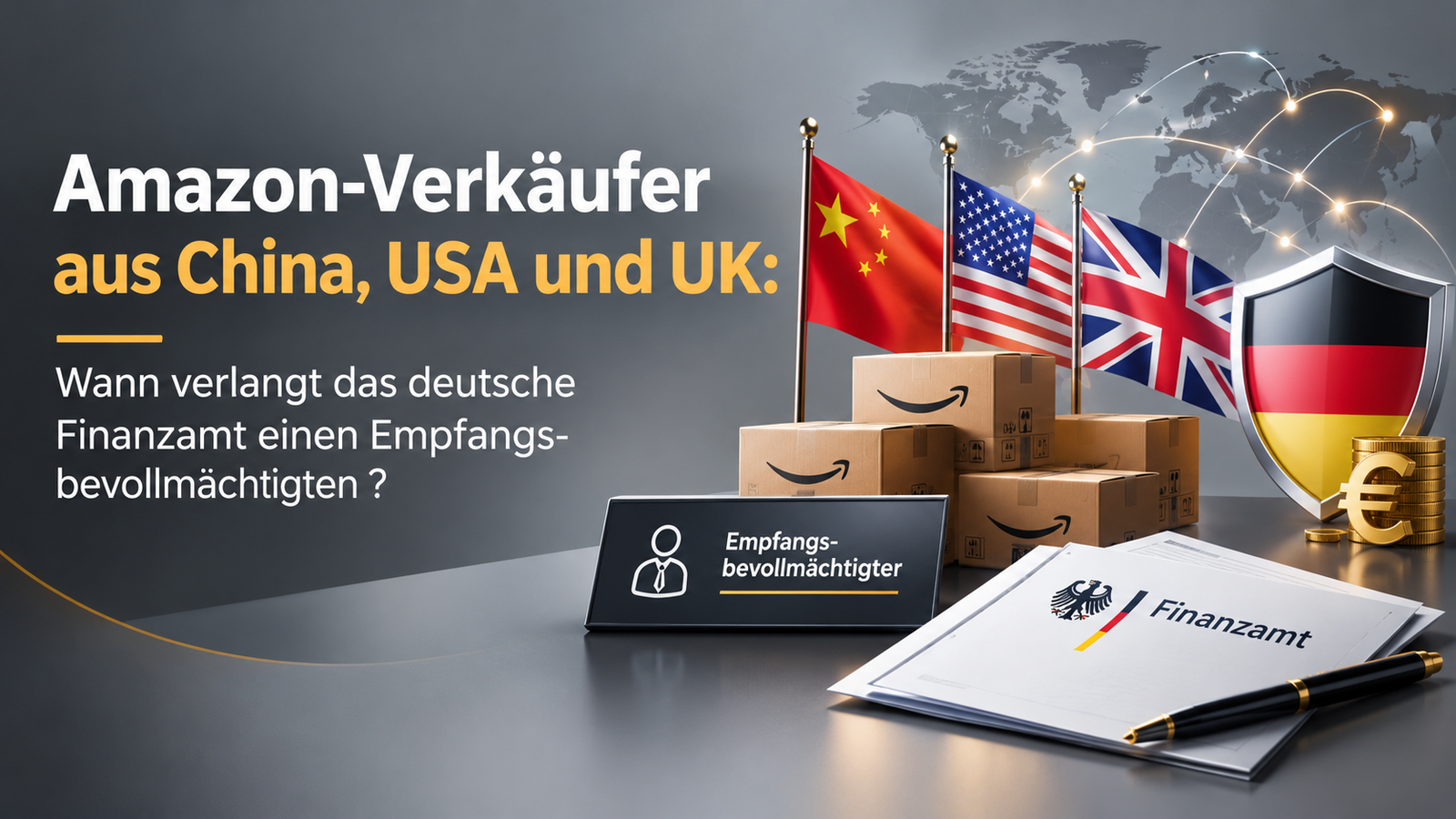
Critical Rule for Non-German Sellers: If your company is not physically located in Germany, you cannot register with Stiftung EAR directly. You are legally required to appoint an Authorized Representative based in Germany to handle your WEEE compliance and act as a liaison with the authorities.
3. Batteries (BattG)
The Battery Act (BattG) governs the sale of all batteries, whether they are sold loosely (like a pack of AA batteries) or integrated directly into a device (like a rechargeable lithium-ion battery inside a Bluetooth speaker).
Just like electronics, battery registration is handled through Stiftung EAR. You must obtain a specific BattG registration number. You are also required to join an approved battery take-back scheme to ensure consumers have a safe way to dispose of old batteries.
The 2026 PPWR Shift: What Changes for Germany ?
While the core pillars of EPR Germany remain intact, 2026 brings a seismic shift to the e-commerce landscape. On August 12, 2026, the new EU Packaging and Packaging Waste Regulation (PPWR) comes into full effect.
Because this is a "Regulation" and not a "Directive," it becomes immediately enforceable law across all 27 EU member states, overriding older national guidelines to create a more harmonized system. Here is how it impacts your EPR Germany strategy:
| The 2026 Change | What it Means for Amazon Sellers |
|---|---|
| Mandatory Authorized Representatives for Packaging | Starting in 2026, foreign sellers placing packaging into Germany must appoint a local Authorized Representative for packaging. Previously, this was only required for electronics and batteries. |
| Stricter Reporting Granularity | Data collection will move to a highly detailed SKU-level standard. You will need to report specific material compositions (e.g., separating types of plastics) and recyclability metrics. |
| New Battery Labeling (Aug 2026) | All batteries must feature new labeling, including capacity information, longevity metrics, and scannable QR codes linking to digital product passports. |
| Marketplace Liability Tightens | Amazon and other platforms will face even harsher penalties for harboring non-compliant sellers, meaning their enforcement algorithms will become hyper-aggressive. |
How Amazon Enforces EPR Germany Compliance
Amazon does not mess around when it comes to European compliance. Because the German government holds marketplace operators legally liable if their third-party sellers break environmental laws, Amazon has built an automated system to enforce EPR Germany.
Here is how the enforcement loop works:
The Validation Check: You must upload your LUCID number (for packaging), WEEE number (for electronics), and BattG number (for batteries) into the "Manage Your Compliance" dashboard in Seller Central.
The Daily Ping: Amazon's software pings the German government databases (LUCID and Stiftung EAR) daily. It checks if your registration numbers match your exact legal business name, VAT number, and the brands you are selling.
The Penalty: If you fail to provide a valid EPR number, Amazon will suppress your listings in Germany. German buyers will not be able to see or purchase your products.
Pan-EU Disruption: If you use Pan-European FBA, losing your German compliance can unravel your entire European fulfillment strategy, as Amazon may refuse to route inventory through German fulfillment centers.
The "Pay on Behalf" Trap
Amazon offers an "EPR Pay on Behalf" service where they automatically pay the eco-contributions for your packaging to a dual system, deducting the costs from your seller account.
While this sounds like a great shortcut, it is not a total solution. Even if Amazon pays the fees on your behalf, German law and the new 2026 PPWR rules still require you to hold your own EPR Registration Number (ERN). You cannot rely entirely on Amazon to keep you legally compliant; you must still register with the authorities.
Step-by-Step Guide: Achieving EPR Germany Compliance
If you want to bulletproof your Amazon business for 2026, follow this exact sequence to achieve full EPR Germany compliance.
Step 1: Audit Your Catalog
Identify exactly what you are selling. Do your products require only packaging registration, or do they also trigger WEEE and Battery obligations ? Document the weights and materials of your shipping cartons, product boxes, and any plastic wrapping.
Step 2: Appoint an Authorized Representative
If you are based outside of Germany (e.g., in the US, UK, or China), you must appoint a German Authorized Representative. By 2026, this will be mandatory for Packaging, Electronics, and Batteries. Your AR will hold legal liability and handle the complex German paperwork on your behalf.
Step 3: Register with LUCID (Packaging)
Create an account in the LUCID database managed by the ZSVR. Enter your company details, brand names, and obtain your unique EPR Registration Number for packaging.
Step 4: License with a Dual System
Take your new LUCID number and sign a contract with a German Dual System. Estimate how many kilograms of paper, plastic, and glass you will ship to Germany over the year, and pay the upfront licensing fee.
Step 5: Register with Stiftung EAR (WEEE & Batteries)
If you sell electronics or batteries, your Authorized Representative will submit a registration request to Stiftung EAR. Note: This process can take 6 to 10 weeks, so do not wait until the last minute! You will also need to provide a financial guarantee to ensure the future recycling of your electronics.
Step 6: Submit to Amazon Seller Central
Once you have your registration numbers:
Log into Amazon Seller Central.
Navigate to Account Health > Regulatory Compliance.
Click on Submit compliance information.
Enter your EPR Germany numbers and hit save. Amazon will validate them within five business days.
Step 7: Ongoing Reporting
Compliance is not a one-time event. You must submit periodic reports (monthly, quarterly, or annually, depending on your volume) detailing the exact quantities of packaging and products you actually sold, adjusting your dual system payments as necessary.
The Financial Risks: Fines and Account Suspensions
The cost of achieving EPR Germany compliance is relatively low often just a few hundred euros a year in recycling fees for an average seller. The cost of ignoring it, however, is catastrophic.
Marketplace Suspension: Amazon, eBay, and Kaufland will freeze your listings and hold your funds until compliance is proven.
Administrative Fines: The German government issues fines of up to €100,000 for failing to register in LUCID, and up to €200,000 for failing to license your packaging with a dual system.
Competitor Warnings: In Germany, competitors can issue legal "Abmahnungen" (cease-and-desist letters) if they notice you are selling without proper EPR registrations. These come with hefty lawyer fees that you are legally obligated to pay.
Customs Seizures: German customs officials frequently check for WEEE and Battery compliance. Products lacking the proper registration numbers or the crossed-out wheelie bin symbol will be seized at the border.
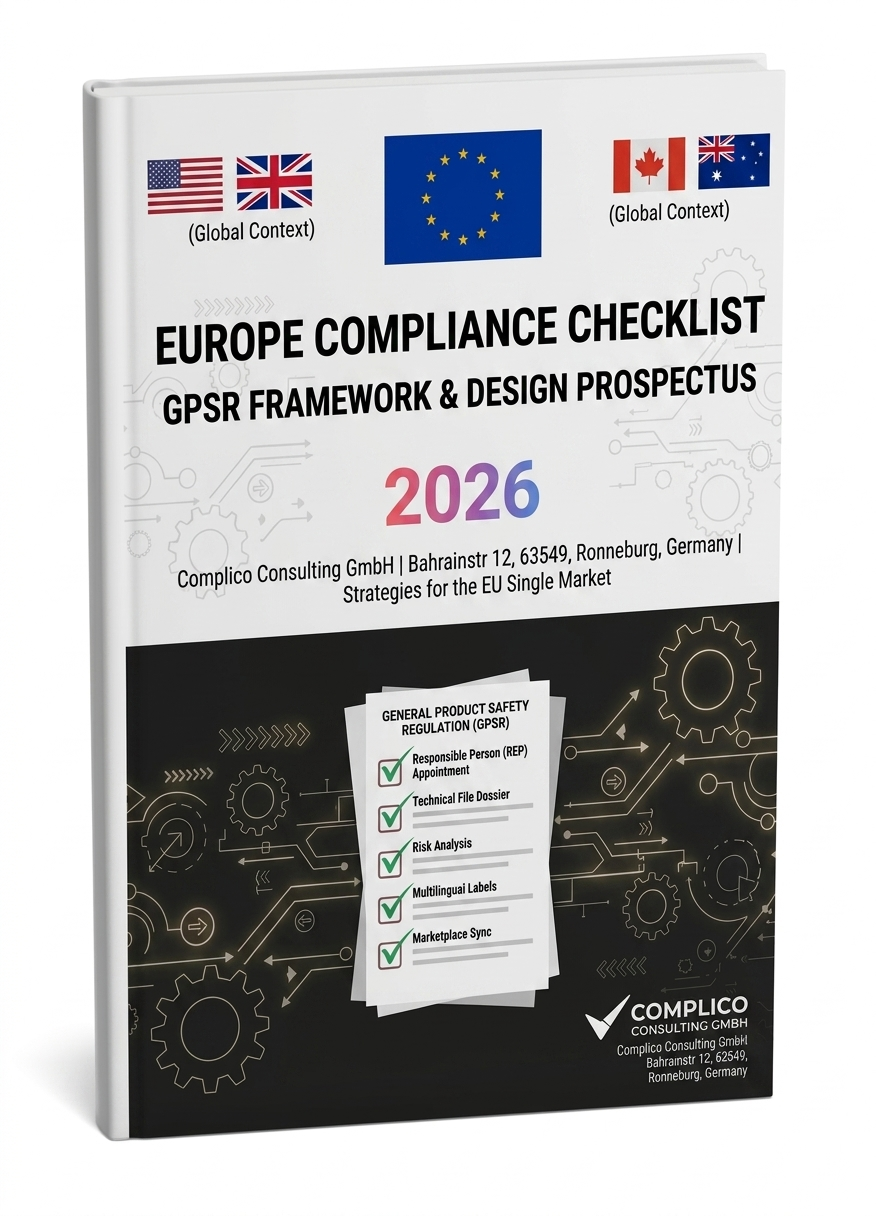
Why You Need Complico Consulting GmbH
Navigating the nuances of EPR Germany—especially with the massive regulatory overhaul coming in 2026—is incredibly complex. Language barriers, shifting deadlines, and bureaucratic portals like Stiftung EAR can easily overwhelm an international seller.
This is where Complico Consulting GmbH steps in. Located in Ronneburg, Germany, we specialize in European Union regulatory compliance for international e-commerce sellers.
We serve as your official Authorized Representative in Germany. Our team handles the entire compliance lifecycle so you can focus on growing your Amazon sales:
Complete LUCID, WEEE, and Battery registrations.
Negotiation and setup with German Dual Systems.
Management of your periodic volume reporting.
Direct troubleshooting with Amazon Seller Central if your numbers fail validation.
Don't let a missing registration number destroy your European revenue. Contact us at info@complicoconsulting.com or reach out via WhatsApp at +49 160 7959362 to secure your compliance for 2026.
FAQ – EPR Germany Compliance (2026)
1. What is EPR Germany?
Extended Producer Responsibility (EPR) Germany is an environmental compliance system that requires businesses placing certain products on the German market to finance their collection, recycling, and disposal.
2. Who is considered a producer under EPR Germany?
A producer includes manufacturers, importers, and foreign businesses selling products directly to consumers in Germany. Even Amazon FBA and cross-border sellers may qualify as producers under German law.
3. Which products are covered under EPR Germany?
EPR Germany applies to:
- Packaging
- Electrical and electronic equipment (WEEE)
- Batteries (including batteries integrated into products)
4. Is EPR Germany mandatory for Amazon sellers?
Yes. Amazon requires sellers offering regulated products in Germany to provide valid EPR registration numbers. Failure to do so can result in listing suppression or account restrictions.
5. What is LUCID Registration?
LUCID is Germany's official packaging register managed by the Central Agency Packaging Register (ZSVR). Businesses placing packaged goods on the German market must register before selling.
6. Do I need a Dual System after registering with LUCID?
Yes. LUCID registration alone is not sufficient. Businesses must also sign a licensing agreement with an approved Dual System and report their packaging volumes.
7. What is Stiftung EAR?
Stiftung EAR is Germany's national authority responsible for WEEE (electronics) and Battery Act (BattG) registrations. Businesses selling electronics or batteries must register through this system.
8. Do non-German businesses need an Authorized Representative?
Yes. Non-German companies selling electronics or batteries must appoint a German Authorized Representative. From 2026, this requirement also extends to packaging under the new PPWR rules.
9. What changes under the 2026 PPWR?
The Packaging and Packaging Waste Regulation (PPWR) introduces stricter reporting requirements, mandatory Authorized Representatives for foreign packaging producers, enhanced battery labeling rules, and increased marketplace enforcement.
10. What happens if I don't comply with EPR Germany?
Non-compliance can lead to Amazon listing suspension, marketplace restrictions, customs seizures, significant fines, product sales bans, and legal action from competitors.
Essential Resources for EPR Germany Compliance in 2026
LUCID Packaging Register (ZSVR)
Stiftung EAR (Elektro-Altgeräte Register)
European Commission: Packaging Waste Regulations (PPWR)
German Federal Ministry for the Environment (BMUV)
Amazon Seller Central: EPR Requirements