
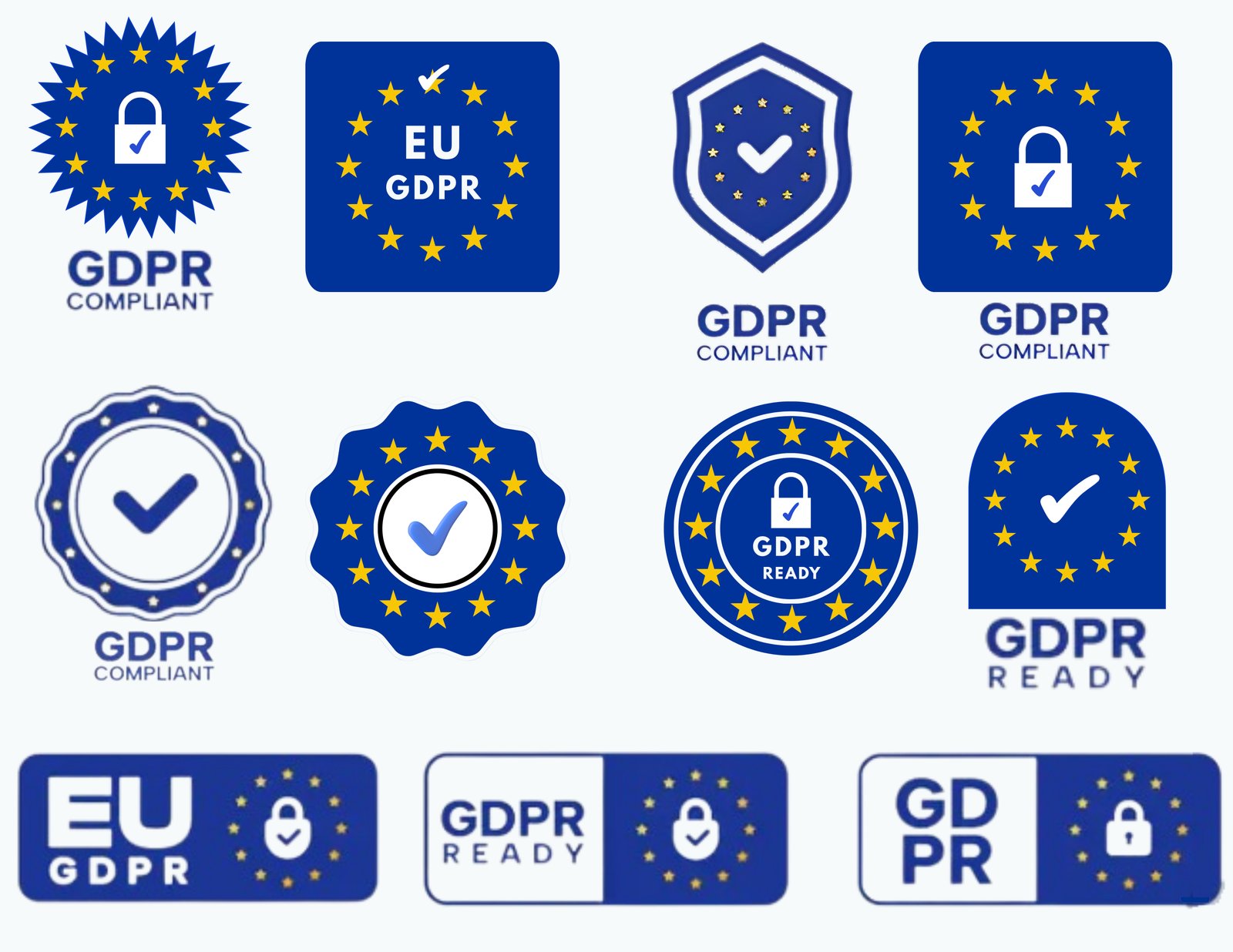
The Myth of the "Official" GDPR Badge
If you search for GDPR symbols, you will find hundreds of stock images and PNG files. Many businesses use them with good intentions, believing it signals their adherence to the law. However, these are simply graphics created by designers, third-party software vendors, or marketing agencies.
The GDPR text itself specifically Article 42 does encourage the establishment of data protection certification mechanisms, seals, and marks. However, these are highly regulated. A true certification can only be issued by an accredited certification body after a rigorous audit of your specific data processing activities. It is not a generic image you can download for free and slap onto a landing page.
The Risks of Using Unofficial Symbols
Using a self-awarded "GDPR Compliant" badge isn't just meaningless—it can actually create legal and reputational risks for your business:
- Misleading Consumers: In the EU, consumer protection laws are strict regarding deceptive practices. Displaying a badge that implies official certification when none exists can be classified as misleading advertising.
- Targeting by Authorities: Data Protection Authorities (DPAs) are well aware that official logos don't exist. Prominently displaying a fake badge might inadvertently signal that your compliance program lacks depth, potentially attracting unwanted scrutiny—as seen in recent transparency sweep enforcement actions across the EU.
- False Sense of Security: A badge doesn't stop data breaches or handle Data Subject Access Requests (DSARs). Relying on a graphic while neglecting backend compliance leaves your business vulnerable to hefty fines.
How to Genuinely Demonstrate GDPR Compliance
Trust is built through transparency and action, not stock graphics. To prove to your B2B partners and consumers that you take data protection seriously, focus on the following visible elements:
1. A Clear, Accessible Privacy Policy
Your privacy policy is your most public-facing compliance document. It shouldn't be hidden or written in dense legalese. It must clearly articulate what data you collect, why you need it, how long you keep it, and exactly how users can exercise their rights—details that should also align with your internal Record of Processing Activities (RoPA).
2. A Legitimate Consent Management Platform (CMP)
Avoid the generic "We use cookies" banners that offer no choice. A compliant cookie banner requires active, explicit consent before dropping non-essential trackers, in line with official regulatory guidance on cookies and consent. Users must have the ability to decline cookies just as easily as they accept them.
3. Clear Data Subject Request Mechanisms
Make it easy for users to request access to their data or ask for it to be deleted. Providing a dedicated email address or an automated form shows that you actively support their rights under the GDPR.
4. Appoint a GDPR Article 27 Representative
If your company is based outside the EU (such as in the UK, US, or Asia) but offers goods or services to individuals in the European Economic Area (EEA), you are legally required to appoint an EU representative under Article 27. Displaying the contact details of your established European representative in your privacy policy is one of the strongest, most authentic ways to signal that you are fully integrated into the EU regulatory framework. Learn more in our detailed guide on the GDPR Representative under Article 27 or explore how our GDPR Article 27 EU Representative Service works.
Build Real Trust, Not Fake Badges
In the complex landscape of European regulatory compliance, shortcuts rarely pay off. Rather than searching for a quick symbol to download, invest in the structural compliance that protects your business and your customers.
If you are an international manufacturer, e-commerce seller, or service provider, ensuring you meet the strict requirements of the European market can be overwhelming. From establishing your GDPR Article 27 representation to navigating complex Extended Producer Responsibility (EPR) and product safety regulations, having an experienced partner is critical.
Need help structuring your compliance strategy for the European market? Explore our full range of compliance services, read more insights on our blog, learn more about our team, or reach out to our team at Complico Consulting GmbH to ensure your operations are fully compliant, transparent, and ready for growth.