
Summarize this article with:
Master Compliance with the Netherlands Packaging Calculator: Your Ultimate Guide
Navigating the legal landscape of international shipping and e-commerce can feel like walking through a regulatory minefield. If your business places products on the Dutch market, compliance isn't just a best practice—it is a strict legal mandate. Understanding the nuances of Netherlands Packaging regulations, Extended Producer Responsibility (EPR), and recycling fees can save your company from heavy penalties, operational delays, and reputational damage.
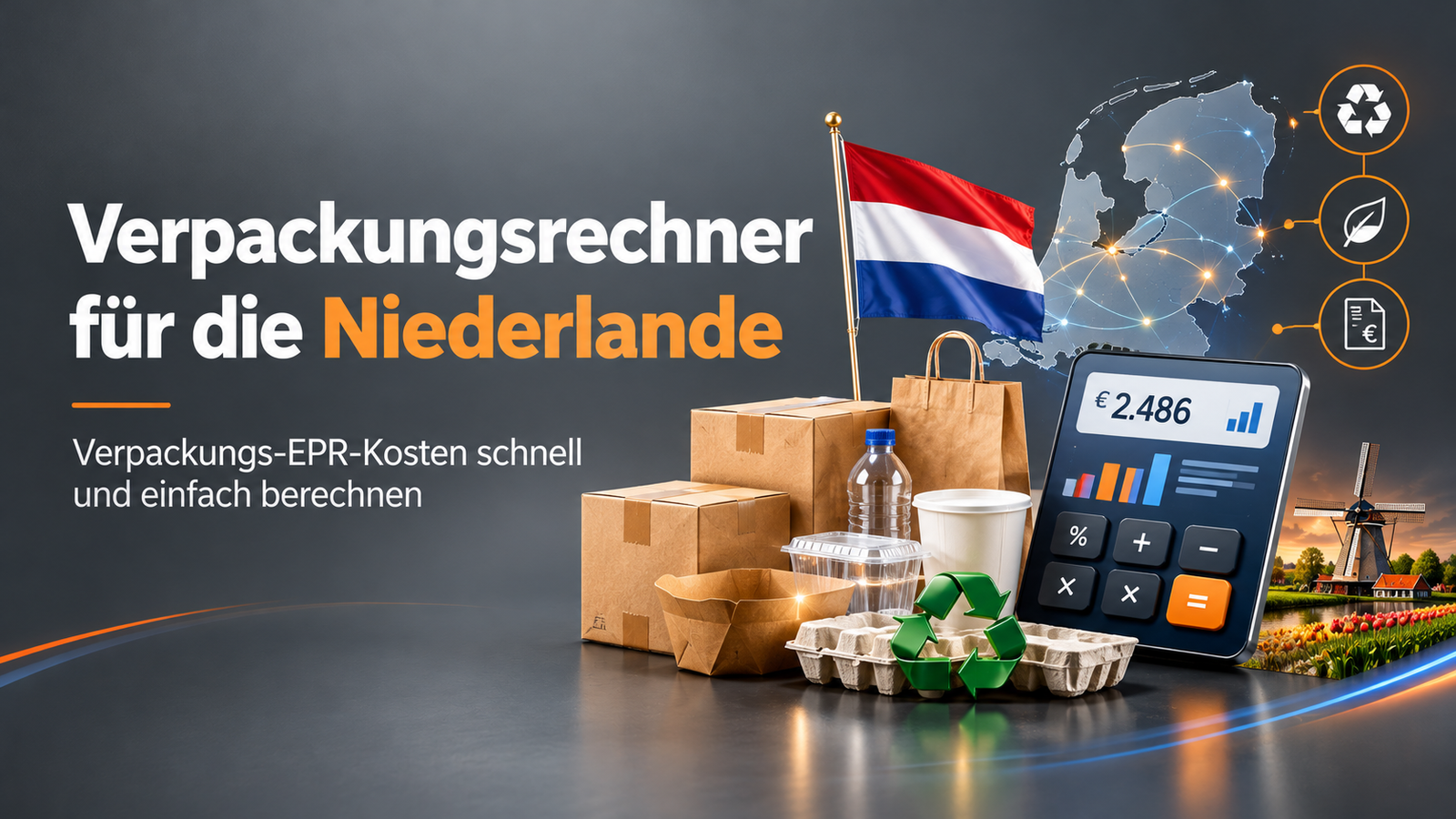
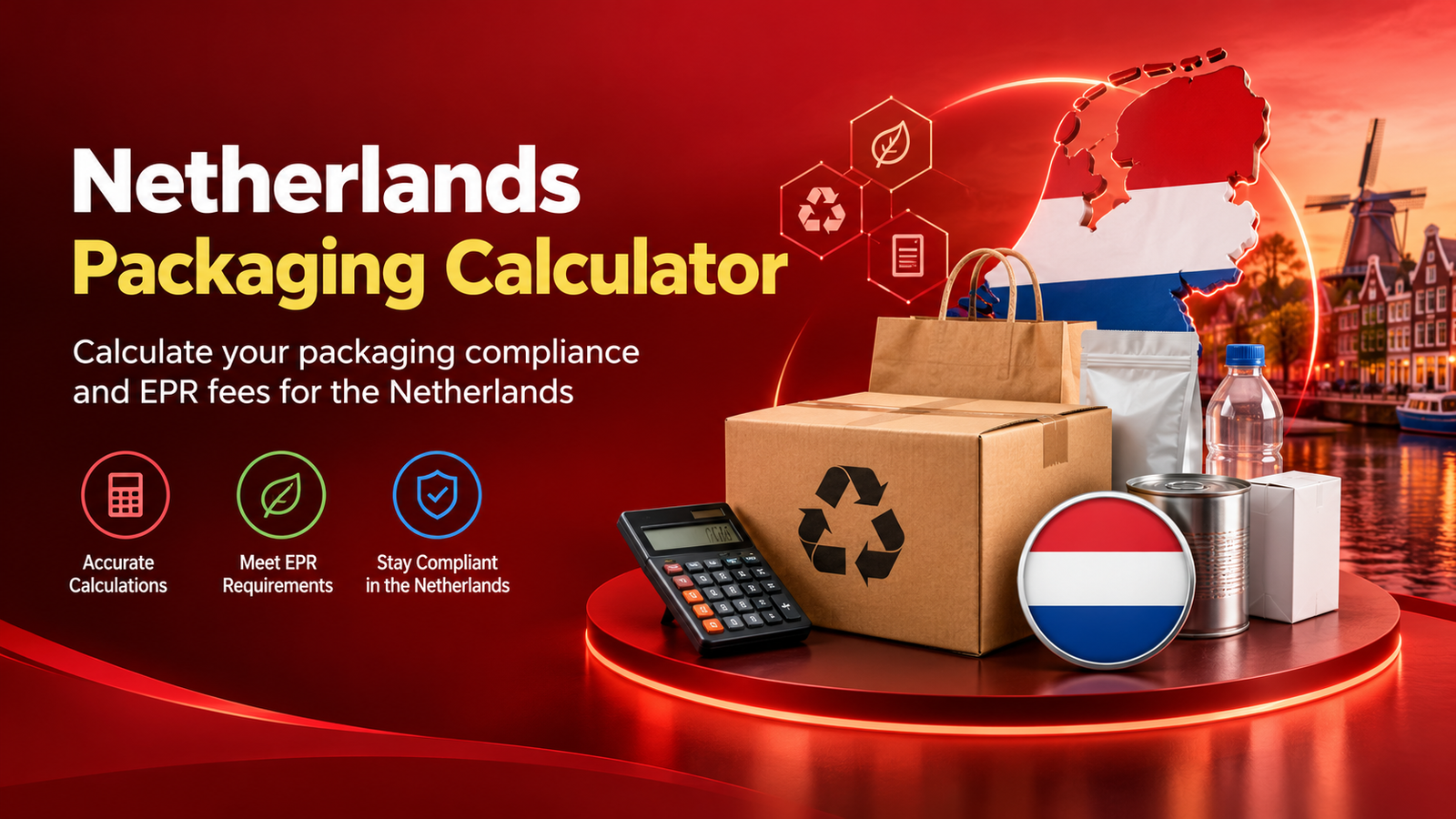
At Complico Consulting GmbH, we specialize in simplifying complex European environmental regulations. To make your compliance journey seamless, we have designed an advanced, intuitive tool: the Netherlands Packaging calculator.
In this comprehensive guide, we will break down everything you need to know about Dutch packaging laws, how fee structures work under Verpact (formerly Afvalfonds Verpakkingen), and how you can accurately forecast your annual obligations using our specialized digital tool.
The Landscape of Netherlands Packaging Regulations
The Netherlands has long been a pioneer in environmental sustainability. Under Dutch environmental law, businesses that introduce packaged goods to the market bear financial and operational accountability for those materials throughout their lifecycle. This framework, known as Extended Producer Responsibility (EPR), ensures that the costs associated with collecting, sorting, and recycling waste are borne by the producers and importers who generate it.
Whether you are a local Dutch enterprise or a cross-border e-commerce merchant shipping from Germany, France, or outside the European Union, these regulations apply to you if your packaging crosses the Dutch border into the hands of end consumers.
What Qualifies as Packaging ?
Under statutory definitions, Netherlands Packaging encompasses all products made of any material of any nature to be used for the containment, protection, handling, delivery, and presentation of goods, from raw materials to processed goods, from the producer to the user or the consumer. This includes:
- Sales Packaging (Primary Packaging): Units designed to form a sales unit to the final user or consumer at the point of purchase (e.g., cereal boxes, cosmetic bottles, blister packs).
- Grouped Packaging (Secondary Packaging): Units designed to group a certain number of sales units at the point of purchase, whether sold as such or serving only to stock the shelves (e.g., outer display cartons, shrink wrap).
- Transport Packaging (Tertiary Packaging): Units designed to facilitate handling and transport of a number of sales units or grouped packaging to prevent physical damage during transit (e.g., shipping boxes, wooden pallets, stretch wrap, packing peanuts).
Why Traditional Spreadsheets Fall Short
Many businesses attempt to calculate their EPR liabilities using messy, homegrown spreadsheets. Unfortunately, this approach frequently leads to costly errors. The fee structures governing Netherlands Packaging are notoriously dynamic, changing annually based on material recyclability, sorting efficiencies, and overarching EU environmental targets.
Manually tracking weights across paper, cardboard, rigid plastics, flexible plastics, glass, aluminum, and beverage cartons opens the door to human error. A single misplaced decimal point can result in under-reporting (which triggers compliance audits and fines) or over-reporting (which needlessly drains your bottom line).
This is why implementing an automated, dedicated Netherlands Packaging calculator is a game-changer for supply chain managers, compliance officers, and finance teams.
How the Complico Consulting GmbH Netherlands Packaging Calculator Works
Designed with user-friendliness and absolute precision in mind, our proprietary calculator takes the guesswork out of compliance. Instead of wrestling with complex formulas or deciphering dense legal gazettes, you can determine your estimated financial obligations in a matter of minutes.
Step-by-Step Breakdown of the Calculation Process
| Step | Action Required | What It Measures |
|---|---|---|
| 1. Select Calendar Year | Choose the active compliance year (e.g., 2026 or 2027). | Ensures alignment with the latest published tariff schedules. |
| 2. Input Material Quantities | Enter the estimated weight (in kilograms) placed on the Dutch market across categories. | Captures precise volumes for paper, cardboard, rigid plastics, flexible plastics, glass, aluminum, and composite materials. |
| 3. Account for Business Status | Indicate whether your company is established outside the Netherlands. | Determines if an Authorized Representative is legally required under Dutch law. |
| 4. Review Fee Breakdown | Instantly view recycling fees, administrative registration costs, and total annual liabilities. | Provides a transparent, report-ready financial summary. |
Pro Tip: Always keep separate logs for B2C (Business-to-Consumer) and B2B packaging if required by your reporting portal, and ensure your weight metrics reflect actual material usage rather than rough estimates.
Material Categories and Fee Structures
The financial burden of Netherlands Packaging compliance is directly tied to eco-modulation. Put simply, the more sustainable, recyclable, and easily sortable your packaging is, the lower your per-kilogram recycling fee will be. Conversely, complex, multi-layered, or hard-to-recycle materials attract higher tariffs to incentivize sustainable design changes.
Our calculator breaks down your inputs across standard statutory classifications:
- Paper and Cardboard: Highly recyclable, typically featuring moderate fee structures when unpolluted by chemical coatings.
- Rigid Plastics: Assessed based on polymer type (PET, HDPE, PP) and whether they contain colorants that interfere with optical sorting machines.
- Flexible Plastics & Films: Historically subject to higher scrutiny and fees due to sorting complexities in recycling facilities.
- Glass and Metals (Aluminum/Steel): Infinitely recyclable materials that generally benefit from favorable recovery incentives.
- Beverage Cartons & Composite Materials: Multi-material structures that require specialized separation processes, reflecting unique tariff tiers.
Special Obligations for Non-Dutch Companies
If your company is headquartered outside the Netherlands—such as in the UK, the US, or another EU member state—and you sell directly to Dutch consumers or businesses via e-commerce platforms, you cannot simply pay a recycling fee and call it a day.
Under Dutch law, non-established companies placing Netherlands Packaging on the market are often legally mandated to appoint a local Authorized Representative. This representative acts as your official compliance liaison with local authorities and producer responsibility organizations (PROs like Verpact), ensuring that all reporting and financial obligations are met in full accordance with national laws.
Our calculator automatically integrates these mandatory administrative and representation fees into your final calculation, ensuring you face zero hidden surprises down the line.
Frequently Asked Questions (FAQ)
1. What is Extended Producer Responsibility (EPR) for Netherlands Packaging ?
Extended Producer Responsibility (EPR) is an environmental policy approach under which producers, manufacturers, and importers bear significant financial and operational responsibility for the treatment or disposal of post-consumer packaging waste. In the Netherlands, this system is managed collectively to ensure that companies financing the collection, sorting, and recycling infrastructure do so proportionally based on the volume and type of materials they introduce to the market.
2. Who is legally required to pay Netherlands Packaging recycling fees ?
Any business entity that first makes packaging available on the Dutch market is legally considered a "producer" or "importer." This includes companies that manufacture packaged goods locally, import packaged goods into the Netherlands from abroad, or sell goods via cross-border e-commerce directly to Dutch end-users. If your company name or brand appears on the product, or if you import unbranded packaged goods, compliance is your legal responsibility.
3. How does the Complico Consulting GmbH Netherlands Packaging calculator save time and money ?
Our calculator eliminates the need for manual data modeling, complex formula building, and hours of research into shifting tariff rates. By allowing you to input your estimated material weights in kilograms, the tool instantly generates an accurate forecast of your recycling fees, registration costs, and legal representation expenses. This transparency allows you to budget accurately, eliminate compliance risks, and optimize your packaging choices for lower fees.
4. Do non-Dutch companies need an Authorized Representative for Netherlands Packaging compliance ?
Yes. If your company is established outside the Netherlands and you place packaged goods onto the Dutch market, local legislation typically requires you to appoint a local Authorized Representative. This representative ensures that your company fulfills all statutory registration, data declaration, and financial contributions required by Dutch authorities and collective systems.
5. What happens if a company fails to report its Netherlands Packaging data ?
Failing to register, report, or pay required EPR fees for Netherlands Packaging can lead to severe consequences. Dutch regulatory bodies and inspectorates conduct regular audits. Non-compliance can result in hefty retroactive fines, legal injunctions halting your sales in the Netherlands, loss of marketplace privileges (as major e-commerce platforms increasingly demand proof of EPR compliance), and significant reputational harm.
Secure Your Compliance Today
Navigating international environmental laws doesn't have to be an operational bottleneck. By leveraging data-driven insights and automated tools, you can transform regulatory compliance from a burdensome chore into a streamlined business process.
Ready to find out exactly what your regulatory obligations look like ? Head over to our interactive Netherlands Packaging EPR Fee Calculator to compute your exact annual fees in minutes. For tailored guidance, complex supply chain structures, or expert support with cross-border registrations, book a consultation with our compliance specialists at Complico Consulting GmbH today!