
Summarize this article with:
Germany has one of the strictest electronic waste regulations in Europe. Businesses that manufacture, import, or sell electrical and electronic equipment in Germany must comply with national waste management rules to ensure proper recycling and environmental protection.
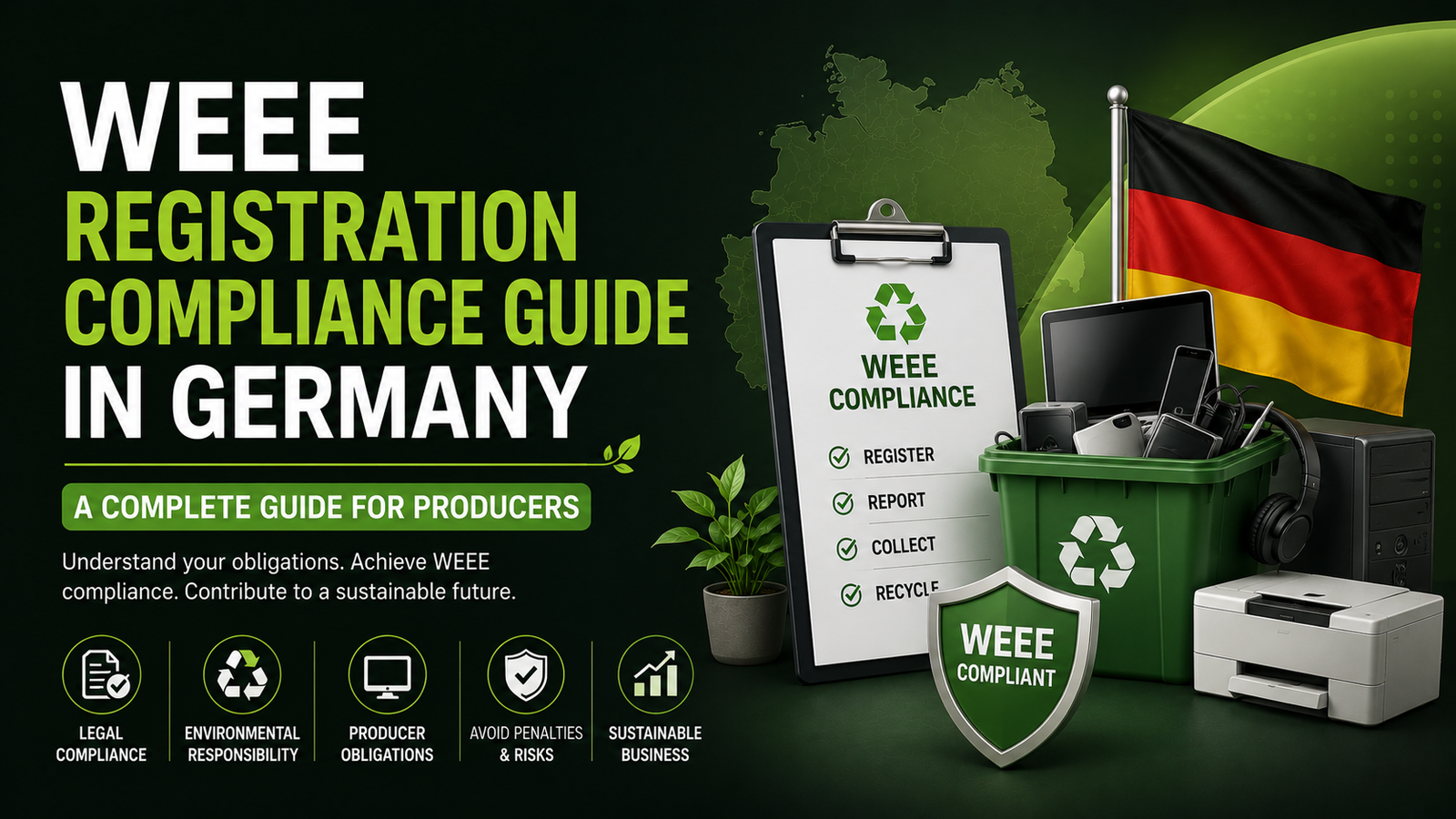
The WEEE (Waste Electrical and Electronic Equipment) registration process is mandatory before placing electrical products on the German market. Companies that fail to comply may face product sales bans, penalties, and marketplace restrictions.
In this guide, we explain how WEEE registration works in Germany, who must register, and how Complico Consulting GmbH can help businesses stay compliant.
What Is WEEE Registration ?
WEEE stands for Waste Electrical and Electronic Equipment, a European environmental directive designed to reduce electronic waste and improve recycling practices.
The legal foundation for this directive is WEEE Directive 2012/19/EU, which requires producers of electrical and electronic equipment to take responsibility for the collection, recycling, and disposal of their products.
Germany implemented this directive through the ElektroG, which regulates how electronic products must be registered and managed within the German market.
Before selling electronics in Germany, producers must register with the national authority responsible for WEEE compliance.
The German WEEE Authority
In Germany, WEEE registrations are managed by Stiftung Elektro-Altgeräte Register, commonly known as EAR.
EAR operates the official online portal for product registrations and maintains the national database of registered producers.
Once a company successfully registers, it receives a unique WEEE registration number that must be used for product compliance and marketplace listings.
Who Must Register for WEEE in Germany ?
WEEE registration is required for companies that qualify as “producers” under German law.
A producer can include any business that:
- Manufactures electrical or electronic equipment in Germany
- Imports electronics into Germany from another country
- Sells electrical products under its own brand
- Resells products from foreign manufacturers not registered in Germany
- Sells electronics online directly to German consumers
This means that many Amazon sellers, online retailers, distributors, and importers must obtain a WEEE registration before selling products in Germany.
Electrical and Electronic Equipment Covered by WEEE
The WEEE directive covers a wide range of electronic products. Common categories include:
- Household appliances
- IT and telecommunications equipment
- Consumer electronics
- Lighting equipment
- Electrical tools
- Toys and leisure equipment
- Medical devices
- Monitoring and control instruments
Each product must be assigned to the correct equipment category during the registration process.
Why WEEE Compliance Is Important
The WEEE regulation ensures that electronic waste is collected and recycled responsibly. Electrical products contain valuable materials but may also include hazardous substances that require controlled disposal.
Compliance with WEEE regulations helps:
- Reduce environmental pollution
- Improve recycling efficiency
- Support circular economy initiatives
- Protect human health
For businesses, WEEE compliance is also essential for legally selling electronics in Germany.
Consequences of Non-Compliance
Companies that fail to comply with German WEEE requirements may face serious consequences.
Possible penalties include:
- Sales bans in Germany
- Removal of product listings on online marketplaces
- Fines imposed by authorities
- Legal action for environmental violations
Major online platforms such as Amazon and eBay often require a valid WEEE registration number before allowing electronics to be sold to German customers.
The WEEE Registration Process in Germany
Registering for WEEE in Germany involves several regulatory steps.
1. Identify the Product Category
The first step is determining which WEEE category applies to your electrical products. Each category has different compliance obligations.
2. Register With the National Authority
Producers must submit an application through the official portal operated by Stiftung Elektro-Altgeräte Register.
The registration process typically requires:
- Company information
- Brand details
- Product categories
- Equipment type descriptions
3. Provide Insolvency-Proof Guarantee
For certain equipment categories, companies must provide an Insolvency-Proof Guarantee to ensure future recycling obligations are covered.
4. Obtain a WEEE Registration Number
Once the application is approved, the company receives a unique WEEE registration number that must be used in documentation and sales platforms.
5. Reporting and Recycling Obligations
After registration, producers must regularly report the quantity of electrical products placed on the German market.
Businesses may also need to join an authorized recycling scheme to ensure proper waste management.
WEEE Labeling Requirements
Products subject to WEEE regulations must display the crossed-out wheeled bin symbol. This symbol indicates that the product should not be disposed of with household waste.
The label must be visible, legible, and permanently attached to the product.
Proper labeling ensures that consumers understand how to dispose of electronic equipment responsibly.
Special Requirements for Non-EU Companies
Non-EU manufacturers that want to sell electronics in Germany must appoint an Authorized Representative within the EU.
The representative is responsible for fulfilling WEEE obligations on behalf of the foreign producer.
This requirement ensures that authorities have a responsible legal entity within the EU for compliance matters.
How Complico Consulting GmbH Helps With WEEE Compliance
Navigating WEEE regulations can be complicated, especially for companies unfamiliar with EU environmental laws.
Complico Consulting GmbH provides professional compliance services to help businesses meet WEEE registration requirements in Germany and across Europe.
WEEE Registration Support
Complico assists businesses with the complete WEEE registration process, including:
- Product category identification
- Registration application preparation
- Brand and equipment registration
- Communication with regulatory authorities
Authorized Representative Services
For companies located outside the EU, Complico can act as an authorized representative to manage regulatory obligations.
This service ensures that non-EU producers comply with German law when selling electronic products in the country.
Compliance Monitoring
WEEE regulations require ongoing reporting and compliance management. Complico helps companies maintain compliance by:
- Managing reporting obligations
- Monitoring regulatory changes
- Supporting documentation updates
Marketplace Compliance Support
Online marketplaces increasingly require proof of WEEE registration.
Complico helps sellers ensure that their products meet marketplace requirements and remain available to German customers.
Benefits of Working With Complico
Partnering with a professional compliance provider offers several advantages.
Businesses working with Complico Consulting GmbH benefit from:
- Expert knowledge of EU environmental regulations
- Faster WEEE registration processing
- Reduced compliance risks
- Ongoing regulatory support
- Reliable authorized representative services
This allows companies to focus on growing their business while ensuring regulatory compliance.
WEEE Compliance and Sustainability
WEEE regulations play a critical role in promoting sustainable waste management across Europe.
By ensuring proper recycling of electronic products, the regulation helps reduce environmental impact and conserve valuable resources.
Companies that comply with WEEE requirements demonstrate environmental responsibility and contribute to sustainable business practices.
Final Thoughts
WEEE registration is a mandatory requirement for businesses selling electrical and electronic equipment in Germany. Compliance with German environmental laws ensures that products are responsibly managed at the end of their life cycle.
Whether you are a manufacturer, importer, or online seller, understanding WEEE obligations is essential before entering the German market.
Working with a trusted compliance partner such as Complico Consulting GmbH can simplify the process and help ensure that your business meets all regulatory requirements.
With expert support, companies can successfully navigate WEEE registration and expand their presence in Germany with confidence.
FAQs About WEEE Registration in Germany
1. Who needs WEEE registration in Germany ?
Any company that manufactures, imports, or sells electrical and electronic equipment in Germany must register under the WEEE system. This includes manufacturers, importers, online sellers, and companies selling products under their own brand. Registration is handled by Stiftung Elektro-Altgeräte Register, which manages the official producer register in Germany.
2. What is the German law governing WEEE compliance ?
WEEE compliance in Germany is regulated under the ElektroG, which implements the European WEEE Directive 2012/19/EU. This law requires producers to register their electrical equipment and ensure proper recycling and disposal of electronic waste.
3. Do non-EU companies need an authorized representative for WEEE in Germany ?
Yes. Companies located outside the European Union must appoint an EU-based authorized representative to fulfill their WEEE obligations in Germany. The representative handles regulatory responsibilities and communication with authorities on behalf of the foreign producer.
4. What happens if a company sells electronics in Germany without WEEE registration ?
Selling electrical products without WEEE registration is illegal in Germany. Businesses may face sales bans, fines, and removal of product listings from marketplaces such as Amazon. Authorities may also impose additional penalties for environmental non-compliance.
5. What information is required for WEEE registration ?
Companies must provide several details during the registration process, including brand names, product categories, company information, and equipment descriptions. Applications are submitted through the portal operated by Stiftung Elektro-Altgeräte Register.
Official resources for WEEE
- WEEE Directive Overview: WEEE Directive 2012/19/EU
- Stiftung EAR Official Website: Stiftung Elektro-Altgeräte Register
- German Electrical and Electronic Equipment Act (ElektroG): ElektroG
- European Commission – Waste Electrical and Electronic Equipment: European Commission
- Amazon WEEE Compliance Information: Marketplace compliance requirements for sellers of electronics
Download: EWRN European WEEE Registers Network National List