
Summarize this article with:
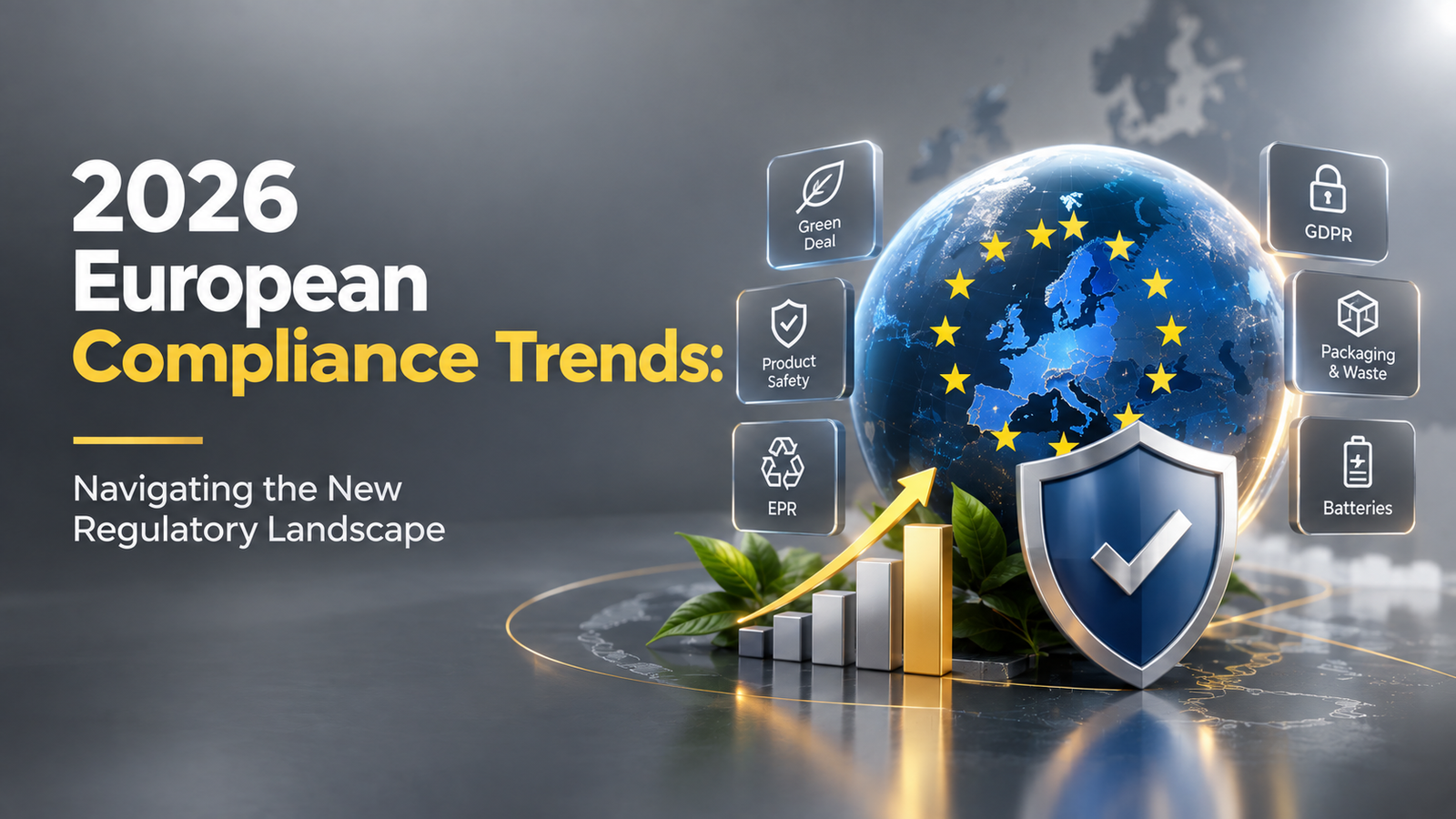
As we look toward 2026, the European regulatory environment is undergoing a massive transformation. For businesses operating within or expanding into the European Union, staying compliant is no longer a simple box-ticking exercise. It requires strategic foresight, robust data management, and an agile corporate culture. From the sweeping implementation of the EU AI Act to stricter packaging waste directives, understanding the latest Compliance Trends is essential for safeguarding your organization against operational risks, hefty fines, and reputational damage.
At Complico Consulting GmbH, we understand that regulatory complexity can feel overwhelming—especially when navigating cross-border rules in countries like Germany and France. To help you prepare your business strategy, we have analyzed the regulatory horizon to bring you the defining European Compliance Trends for 2026.
1. The EU AI Act and the Push for AI Governance
One of the most heavily discussed Compliance Trends is the full operational reality of the EU Artificial Intelligence Act. While initial phases have already rolled out, the bulk of the requirements will apply from August 2026, fundamentally altering how compliance teams and businesses use artificial intelligence.
Organizations will no longer be able to deploy AI tools blindly. The regulation demands strict AI governance, requiring companies to demonstrate precisely how their AI systems make decisions, maintain exhaustive records of the training data used, and continuously monitor for bias and security risks. Furthermore, "AI literacy" is becoming a legal imperative; businesses must ensure their staff understands both the capabilities and the ethical limitations of the automated tools they use daily. If your business relies on AI for sorting data, customer service, or operational logistics, 2026 is the year your AI systems must become fully transparent and audit-ready.
2. Extended Producer Responsibility (EPR) and the Circular Economy
Environmental sustainability is transitioning from a voluntary corporate initiative to a strict legal mandate. A major compliance focal point for 2026 is the acceleration of the circular economy, particularly regarding packaging and waste management. We are seeing a significant shift toward Deposit Return Systems (DRS) and stringent Extended Producer Responsibility (EPR) laws.
DRS models introduce a financial incentive for consumers to return packaging through designated channels, aiming to drastically improve material recovery and reduce waste. For manufacturers, distributors, and e-commerce retailers, this means an overhaul of how products are tracked and managed across the value chain.
This is an area where businesses often face severe bottlenecks. For example, managing EPR registration for packaging, electronics, and batteries in key markets like Germany and France requires navigating highly specific local bureaucratic systems. At Complico Consulting GmbH, we specialize in making this process straightforward, filing the necessary paperwork so our clients can focus on their core operations instead of being delayed by complex environmental compliance.
3. The Cyber Resilience Act (CRA): Security by Design
As digital integration deepens, cyber threats have become a primary operational risk. In response, the European Union is rolling out the Cyber Resilience Act (CRA). A standout among current Compliance Trends, the CRA mandates "cybersecurity by design and by default" for products with digital elements.
For manufacturers and software developers, 2026 is a critical year for the progressive implementation of these rules. The CRA requires organizations to embed security protocols into the earliest stages of product development rather than treating security as an afterthought. It introduces stringent requirements for vulnerability management, mandatory security updates, and strict incident reporting timelines. If your company brings connected devices or software into the European market, your compliance strategy must now seamlessly integrate with your IT and product development teams.
4. Supply Chain Transparency and Deepened ESG Scrutiny
Ignorance regarding your supply chain is no longer a valid legal defense. Driven by regulations like the Corporate Sustainability Due Diligence Directive (CSDDD) and the Corporate Sustainability Reporting Directive (CSRD), regulators are demanding unparalleled visibility into business ecosystems.
In 2026, compliance expectations extend far beyond your direct relationships. Organizations are now expected to trace goods, data, and ownership structures through every single layer of their supply chain. This trend is heavily compounded by expanding geopolitical sanctions. Ensuring that you are not indirectly doing business with sanctioned entities requires continuous data validation and advanced third-party risk management. Regulators will penalize organizations that lack the data visibility necessary to validate the ethical and legal standing of their overseas partners.
5. The Shift to Continuous, Tech-Enabled Compliance
The sheer volume of new mandates makes traditional, manual compliance tracking obsolete. One of the most critical Compliance Trends is the rapid adoption of RegTech (Regulatory Technology). Organizations are realizing that static spreadsheets and annual reviews are insufficient for an era where 92% of organizations are conducting multiple compliance audits annually.
Automation and continuous monitoring are stepping in to handle the scale and speed of modern regulatory changes. By utilizing cloud-based compliance platforms and automated workflows, businesses can reduce human error, maintain real-time audit readiness, and dynamically adjust risk thresholds. The most successful compliance teams in 2026 will be those that leverage clean data and agile technology to respond to unexpected regulatory shifts defensibly and swiftly.
Partner with Complico Consulting GmbH
The convergence of technology, sustainability, and data privacy means that European compliance is more interconnected than ever. Adapting to these 2026 Compliance Trends requires a proactive approach and a trusted partner who understands the granular details of the law.
Whether you need seamless EPR registration for Germany and France or strategic guidance on navigating the evolving European regulatory landscape, Complico Consulting GmbH is here to simplify the complex.
Frequently Asked Questions (FAQ)
1. What are the most important compliance trends for businesses in Europe in 2026 ?
The dominant trends include the enforcement of the EU AI Act, the rollout of the Cyber Resilience Act (CRA) for connected devices, stricter supply chain transparency mandates (CSDDD/CSRD), and the expansion of Extended Producer Responsibility (EPR) and Deposit Return Systems for packaging waste.
2. How will the EU AI Act impact my business in 2026 ?
By August 2026, most of the EU AI Act's stringent requirements will apply. Your business will need to ensure high-level AI governance, maintain clear records of AI decision-making processes, ensure the training data is unbiased, and promote "AI literacy" among your workforce so employees understand the risks and limitations of AI tools.
3. What is Extended Producer Responsibility (EPR) and why is it urgent ?
EPR is an environmental policy that makes producers responsible for the entire lifecycle of their products, especially the take-back, recycling, and final disposal of packaging, electronics, and batteries. With Europe pushing for a circular economy, countries like Germany and France have strict EPR registration laws. Failing to register can result in immediate bans from selling in these markets.
4. How does the Cyber Resilience Act (CRA) change product development ?
The CRA enforces "security by design and by default." This means manufacturers and developers must build cybersecurity measures into their digital products from the initial design phase, rather than patching them later. It also requires continuous vulnerability management and mandatory security updates throughout the product's lifecycle.
5. How can Complico Consulting GmbH help my business stay compliant ?
Complico Consulting GmbH specializes in removing the bureaucratic hurdles of European compliance. We handle complex processes like EPR registrations in Germany and France, ensuring your paperwork is filed accurately and promptly so your goods move across borders without regulatory friction. Have more questions ? Visit our FAQ page.