
Summarize this article with:
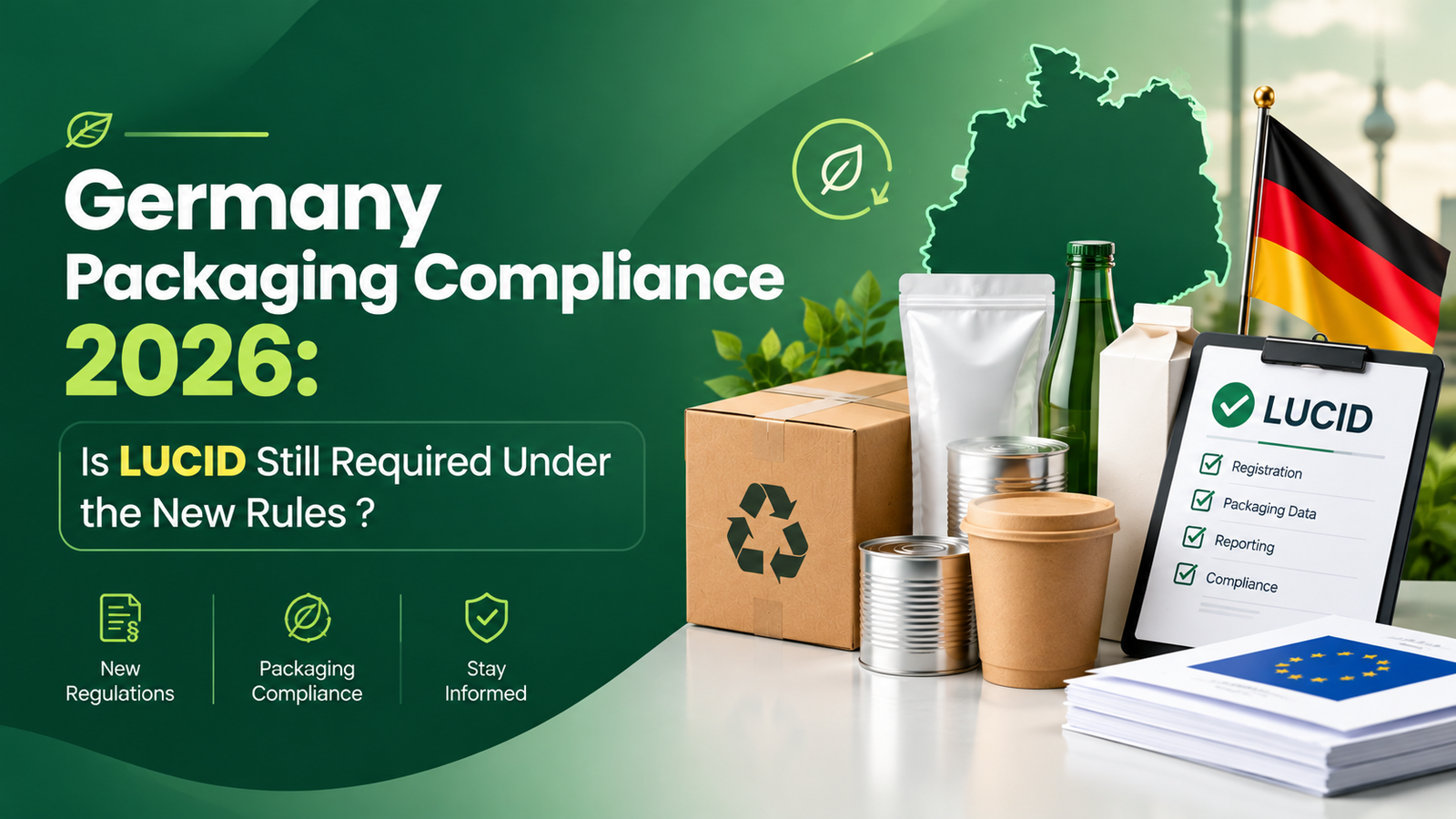
If you are selling physical products into Germany, August 12, 2026, marked a seismic shift in how your business handles packaging compliance. For years, the rule was simple: whoever placed packed goods on the German market had to register in a database called LUCID and pay a recycling scheme. But with the rollout of massive new European regulations, the foundational German Packaging Act (VerpackG) that businesses relied on was officially repealed and replaced.
This sudden regulatory overhaul has left many e-commerce sellers, exporters, and international brands scrambling for answers. If the old law is gone, does the LUCID registry still exist ? Do previous registrations still hold weight ? And what exactly do you need to do to stay compliant and avoid massive fines ?
The short answer is yes—LUCID 2026 compliance is not only still required, but the rules surrounding it have become significantly stricter, particularly for foreign sellers and e-commerce brands. At Complico Consulting GmbH, we have spent the past several months guiding businesses through this complex transition. In this comprehensive guide, we will break down exactly what the new 2026 packaging rules mean, how the European Union's influence has reshaped German law, and the step-by-step actions you must take to secure your LUCID 2026 compliance.
The 2026 Regulatory Shift: VerpackG is Dead, Long Live VerpackDG
To understand the current state of LUCID 2026, we first need to look at what changed on August 12, 2026. On that date, the familiar German Packaging Act (VerpackG) of 2019 ceased to apply. It was replaced by a two-tiered legal framework:
- The EU Packaging and Packaging Waste Regulation (PPWR) – Officially Regulation (EU) 2025/40, this sweeping legislation applies directly across all EU member states. It governs the physical requirements for packaging itself, such as substance limits, recyclability mandates, recycled content targets, minimization, and labeling. See our overview of EPR under the EU PPWR for more detail.
- The Verpackungsrecht-Durchführungsgesetz (VerpackDG) – Known in English as the Packaging Law Implementation Act, this new German statute implements the parts of the PPWR that the EU left up to individual member states.
Rather than tearing down the infrastructure they had spent years building, German lawmakers used the VerpackDG to retain and strengthen their existing systems. This means the Central Agency Packaging Register (Zentrale Stelle Verpackungsregister, or ZSVR), the dual systems, and the deposit schemes are all still fully operational.
Under Section 6(6) of the new VerpackDG, the ZSVR remains the competent authority. Therefore, the LUCID register continues to be the beating heart of German packaging compliance. The registry did not go away; it evolved.
What Stays the Same for LUCID in 2026 ?
Before diving into the complex new requirements, it is worth noting the foundational elements that have survived the legislative transition:
- The Core Obligation Remains: Anyone who places packaged products on the German market for private final consumption is still financially responsible for the recycling and disposal of that packaging.
- LUCID is Mandatory: You still cannot legally place packaging on the German market without an active registration in the LUCID system.
- System Participation: Registering in LUCID simply tells the authorities you exist. You must still contract with a licensed "dual system" (such as Der Grüne Punkt, Interseroh, or Lizenzero) to actually pay for the recycling of your materials.
- Marketplace Enforcement: Marketplaces like Amazon, eBay, and Etsy are still legally required to verify that their sellers hold a valid LUCID 2026 ID. If you cannot provide one, your listings will be suspended.
The Major Changes: What is New for LUCID 2026 ?
While the infrastructure looks familiar, the mechanics of how you comply have shifted dramatically. The new framework introduces strict role separations, expanded financial obligations, and eliminates loopholes that many international sellers previously relied upon. Here are the critical updates you need to integrate into your LUCID 2026 strategy.
1. The Separation of "Manufacturer" and "Producer" Roles
The old VerpackG often blurred the lines between who made the packaging and who placed it on the market. The new PPWR and VerpackDG framework separates these into two distinct legal roles with different responsibilities:
- The Manufacturer: This is the entity responsible for ensuring the physical packaging conforms to EU environmental requirements. They must maintain technical documentation and provide an official declaration of conformity. Market surveillance for these standards is handled by federal state authorities, not the ZSVR.
- The Producer: This is the entity carrying the Extended Producer Responsibility (EPR) burden. The producer must finance the recycling, register in LUCID, and handle the data reporting.
If you are a brand owner selling into Germany, you are likely the "Producer," and your compliance burden has just become much more data-intensive.
2. Mandatory Authorised Representatives for Foreign Exporters
Perhaps the most jarring change for non-EU businesses is the strict new rule regarding authorized representatives.
Until August 11, 2026, a foreign company without a German branch could appoint a representative on a purely voluntary basis. Starting August 12, 2026, if you are a foreign seller dispatching goods directly to end-users (B2C) in Germany, appointing an authorized representative is now compulsory.
This representative cannot just be anyone. They must be a legally independent person or company with a registered office or branch physically located in Germany. You cannot simply list one of your own foreign employees as the representative. The appointment requires a written agreement drafted in German (the German version is legally binding), signed with either a handwritten or a qualified electronic signature from both parties.
Crucially, the ZSVR does not publish a vetted list of authorized representatives, meaning finding a reliable, legally sound partner is entirely your responsibility. Complico Consulting GmbH routinely acts as a compliance partner for international businesses navigating this exact hurdle.
3. The End of the Fulfillment Partner Shortcut
For years, a popular loophole existed for small e-commerce sellers and dropshippers. If you relied entirely on a fulfillment partner (like a print-on-demand service or a 3PL), you could often lean on that partner's LUCID registration, allowing you to bypass the bureaucracy.
The LUCID 2026 rules have slammed this door shut. The new framework dictates that the "seller of record"—the brand the customer actually buys from—is definitively treated as the producer of the packaging. Because the orders go out under your shop name and your brand, the producer role falls entirely on your shoulders. Each individual seller must now register directly in the LUCID portal under their own business name. You can no longer hide behind your manufacturer's or logistics provider's registration.
4. New Financing Structures and Expanded Authorisation
The way LUCID is funded has also undergone a massive shift. Under the old laws, the dual systems paid the vast majority of the administrative costs to keep the ZSVR running.
Starting in August 2026, individual manufacturers, as well as producers of transport, reusable, or industrial packaging, are also required to contribute structural fees directly to the register. This is an additional administrative fee and does not replace the eco-contributions you pay to your dual system for actual recycling.
Furthermore, the new rules dictate that any organization discharging EPR duties on behalf of multiple producers must now secure direct LUCID approval. If you plan to self-manage your obligations without a dual system, you will require individual authorization from the ZSVR.
5. Enhanced Data Reporting Obligations
Data transparency is the central theme of the PPWR. LUCID 2026 demands highly granular reporting. Producers are now required to report their packaging quantities broken down intricately by type and material, and they must specifically declare the total quantity of packaging that is first unpacked within German borders.
This means your internal data systems must be robust. You can no longer estimate broad tonnage; you need precise weights of paper, plastics, and glass, cleanly categorized between household, commercial, and transport packaging.
For businesses dealing in high volumes, the act specifies stringent thresholds. For example, if your previous-year volumes reached 80 tonnes of glass, 50 tonnes of paper/cardboard, or 30 tonnes of combined metals, plastics, and composites, enhanced compliance and reporting tiers apply to your business.
The Cost of Non-Compliance: Staggering New Fines
German authorities are not taking the transition to the VerpackDG lightly. Enforcement is aggressive, and the penalties for ignoring LUCID 2026 requirements are severe enough to bankrupt small-to-medium enterprises.
Under Section 66 of the new VerpackDG, fines are broken down into three strict tiers:
- Up to €10,000: For minor administrative or reporting errors.
- Up to €100,000: For failing to register in LUCID entirely, or for making packaging available in breach of the distribution ban.
- Up to €200,000: For failing to participate in a dual recycling system.
Beyond the financial penalties issued by the government, there is a secondary, immediate business risk. Because marketplaces like Amazon and eBay are legally liable if their sellers are non-compliant, they utilize automated API checks against the LUCID database. If your registration lapses, is invalid, or if your name doesn't perfectly match your store entity, your listings will be frozen instantly.
Step-by-Step Guide: Securing Your LUCID 2026 Compliance
Navigating the transition from VerpackG to VerpackDG doesn't have to be a nightmare if you approach it systematically. Here is the actionable roadmap Complico Consulting GmbH recommends for achieving full LUCID 2026 compliance.
Step 1: Map Your Packaging Footprint
Before touching any registration portal, you need absolute clarity on what you are shipping into Germany. Clarify which department in your company owns German compliance. List every legal entity under your umbrella that puts packaging on the market.
Audit your materials. You will need exact weights and material breakdowns (e.g., 72 grams of paperboard per order, 5 grams of LDPE plastic). Centralize this data—you will need it for accurate dual system billing and LUCID reporting.
Step 2: Register (or Update) Your Business in LUCID
If you are a new seller, you must register in the LUCID portal under your exact business name. The registration itself is free of charge.
If you were previously registered under the old VerpackG, do not assume you are safe. You must log into your portal and update your data to align with the new reporting standards and role definitions mandated by the VerpackDG.
Step 3: Appoint an Authorised Representative (If Applicable)
If you operate outside of Germany and sell directly to German consumers, you must legally appoint an authorized representative located in Germany. Remember, this requires a formally signed German contract. This representative will interface with the ZSVR on your behalf, though the LUCID registration remains strictly in your company's name.
Step 4: Contract with a Dual System
Registering in LUCID does not fulfill your financial obligation to recycle. You must sign a contract with a recognized dual system (such as Der Grüne Punkt).
For smaller e-commerce shops, this is surprisingly affordable. For instance, shipping a few hundred small packages a year might result in a minimum dual system fee of roughly €39 to €41 annually. You will enter your dual system contract details into your LUCID dashboard to link the two.
Step 5: Execute Granular Data Reporting
Once your systems are linked, you must submit your forecasted packaging volumes for the year to both your dual system and LUCID. At the end of the year, you must submit a final, actualized volume report. Discrepancies between your dual system report and your LUCID report will trigger automated audits, so consistency is paramount.
Why DIY Compliance is a Dangerous Game in 2026
The shift to the PPWR and VerpackDG has made European Extended Producer Responsibility (EPR) incredibly complex. We are seeing a distinct trend across the EU: regulatory authorities are demanding unprecedented transparency through central registers, and they are enforcing it through automated marketplace checks.
Managing this in-house requires constant monitoring of legal thresholds, mastery of German contractual law (for representative appointments), and meticulous data management. A single clerical error can result in a €100,000 fine or a catastrophic suspension of your Amazon Germany storefront.
This is where Complico Consulting GmbH excels. We act as the bridge between your business and German regulatory authorities. We help international brands map their packaging data, secure reliable authorized representatives, negotiate with dual systems, and ensure that every byte of data submitted to the LUCID 2026 registry is flawless.
Frequently Asked Questions (FAQs) About LUCID 2026
1. Did the EU PPWR replace the LUCID register ?
No. The PPWR is an EU regulation that standardizes packaging requirements across Europe, but it leaves the administration of producer registries up to the member states. Germany passed the VerpackDG to implement this, explicitly retaining the ZSVR and the LUCID register as the central authorities for compliance.
2. How much does it cost to register in LUCID in 2026 ?
The act of registering your business in the LUCID database remains free. However, the compliance is not free. You must pay a licensed dual system based on the weight and material of the packaging you ship, and under new 2026 rules, certain producers may also be subject to structural fees directly from LUCID.
3. I am a dropshipper using a third-party printer. Who registers ?
You do. The new 2026 regulations closed the loophole that allowed sellers to rely on their fulfillment partner's registration. As the "seller of record" whose brand is on the storefront, you are considered the producer and must register in LUCID under your own name. See our guide on GPSR compliance for dropshippers for related obligations.
4. What happens if I ignore the new rules ?
The financial penalties are severe. Failing to register in LUCID can result in fines up to €100,000, and failing to participate in a dual system carries fines up to €200,000. Furthermore, marketplaces will automatically block your ability to sell into Germany. Read more about marketplace EPR responsibility here.
5. Do I need an authorized representative if I am based in the US or UK ?
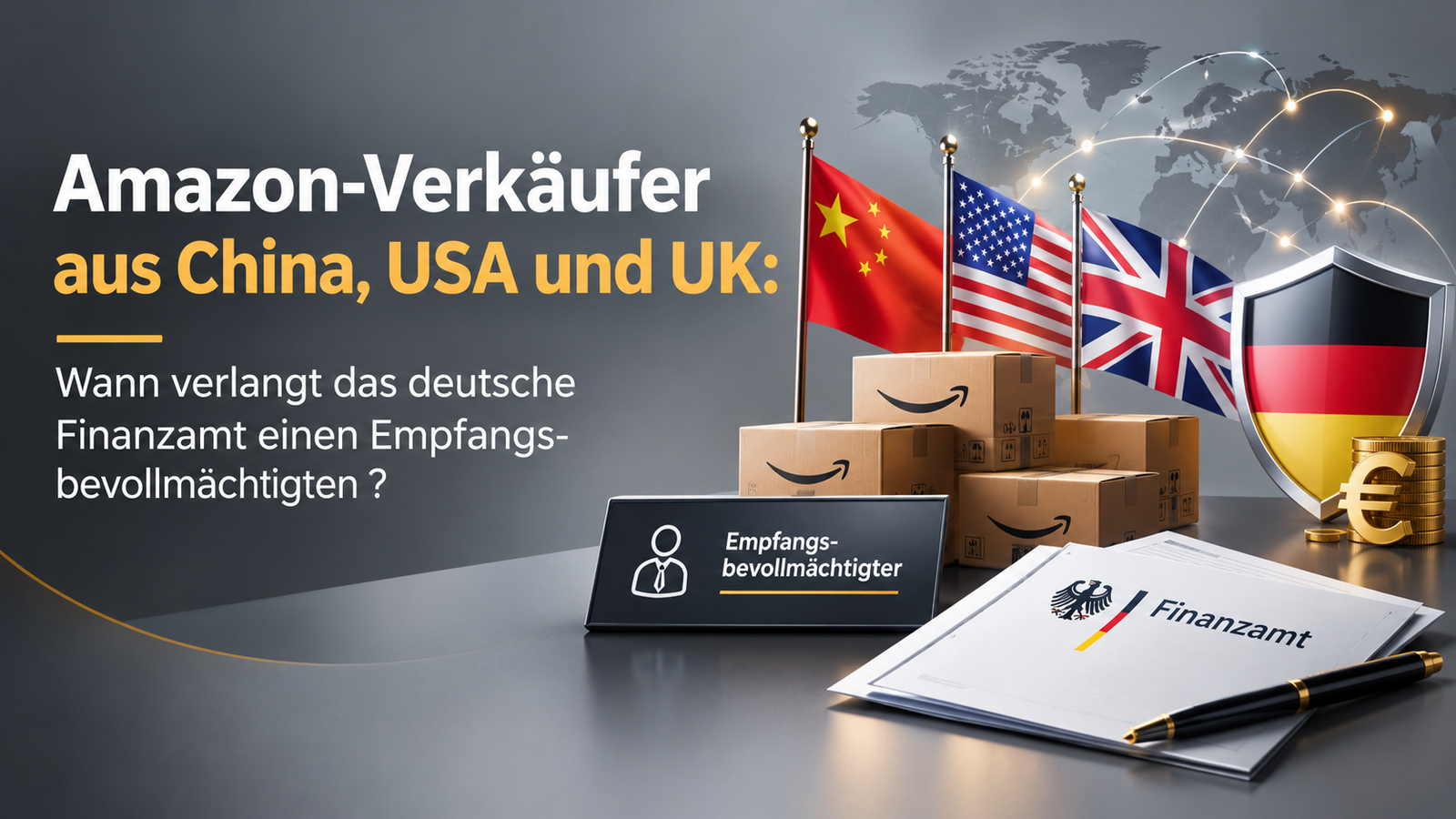
If you have no German branch and you sell directly to end-users (consumers) in Germany, yes. Under the 2026 rules, appointing a legally independent, Germany-based authorized representative is now compulsory for direct-to-consumer foreign sellers.
Visit our FAQ page for more answers to common compliance questions.
Future-Proofing Your Business in the PPWR Era
The repeal of the VerpackG and the introduction of the VerpackDG on August 12, 2026, signaled a new era of environmental accountability in Europe's largest consumer market. LUCID 2026 is not merely a continuation of old habits; it is a stricter, more transparent, and heavily enforced regime designed to align Germany with ambitious EU sustainability goals.
For businesses, the grace period is over. The separation of manufacturer and producer roles, the mandatory appointment of authorized representatives for foreign sellers, and the demand for granular, automated data reporting mean that packaging compliance can no longer be an afterthought. It must be integrated into your core operational strategy.
If you are unsure whether your current setups meet the stringent new standards of the VerpackDG, do not wait for a marketplace suspension or a warning letter from the ZSVR to find out.
Protect your revenue and streamline your operations by partnering with experts. Reach out to Complico Consulting GmbH today. Our dedicated team of compliance specialists will audit your packaging footprint, handle your dual system integrations, and ensure your LUCID 2026 registration is bulletproof—allowing you to focus on what you do best: growing your business.
Explore our full range of compliance services or check our pricing to find the right solution for your business.