
DE SUP DIVID: The Complete Guide to Germany's Single-Use Plastics Fund Registration
Selling packaged goods, beverages, or food containers in Germany ? If so, you've likely encountered a new regulatory hurdle: the DE SUP DIVID. While it might sound like an obscure tax code, it represents Germany's aggressive push toward sustainability under the Single-Use Plastics Fund Act (EWKFondsG). If your business manufactures, imports, or sells certain plastic products into the German market, registering on the DIVID platform is no longer optional—it's the law.
Here's everything you need to know to ensure your business remains compliant, avoids heavy penalties, and navigates the DIVID platform with ease.
What is the EWKFondsG and the DIVID Platform ?
In 2023, Germany enacted the Einwegkunststofffondsgesetz (EWKFondsG), translating to the Single-Use Plastics Fund Act. This legislation shifts the financial burden of cleaning up plastic waste from municipalities directly to the companies that produce it. To manage this massive undertaking, the German Environment Agency (Umweltbundesamt) launched DIVID.
DIVID is the official national registry and digital platform where producers must declare the volume of single-use plastic they bring into the German market. The data you submit on DIVID dictates the annual environmental levy your business must pay to fund public waste management, recycling, and cleanup efforts.
Who Needs to Register on DIVID ?
You are legally obligated to register on the DIVID platform if you are the first entity to commercially place specific single-use plastic products on the German market. This applies broadly to:
- Manufacturers: Companies producing SUP goods within Germany.
- Importers: Businesses bringing SUP goods from outside Germany into the country.
- E-commerce Sellers: Online merchants (including Amazon sellers) who ship directly to German consumers from abroad.
Which Products are Affected ?
The regulations heavily target products that frequently end up as litter in public spaces. If you sell any of the following, you fall under the scope of the law:
- Food containers designed for immediate consumption (e.g., fast food boxes, takeaway containers)
- Beverage cups and their lids
- Lightweight plastic carrier bags
- Wet wipes and balloons
- Tobacco products with filters
Crucial note for E-commerce: If you sell via Amazon or other online marketplaces, you are required to provide your DIVID registration number to the platform. If you fail to do so, marketplaces will legally suspend your listings for the German market to ensure they remain compliant.
Step-by-Step DE SUP DIVID Guidelines
Getting compliant is a straightforward process, provided you stay on top of your volume tracking. Here is your operational roadmap to DE SUP compliance:
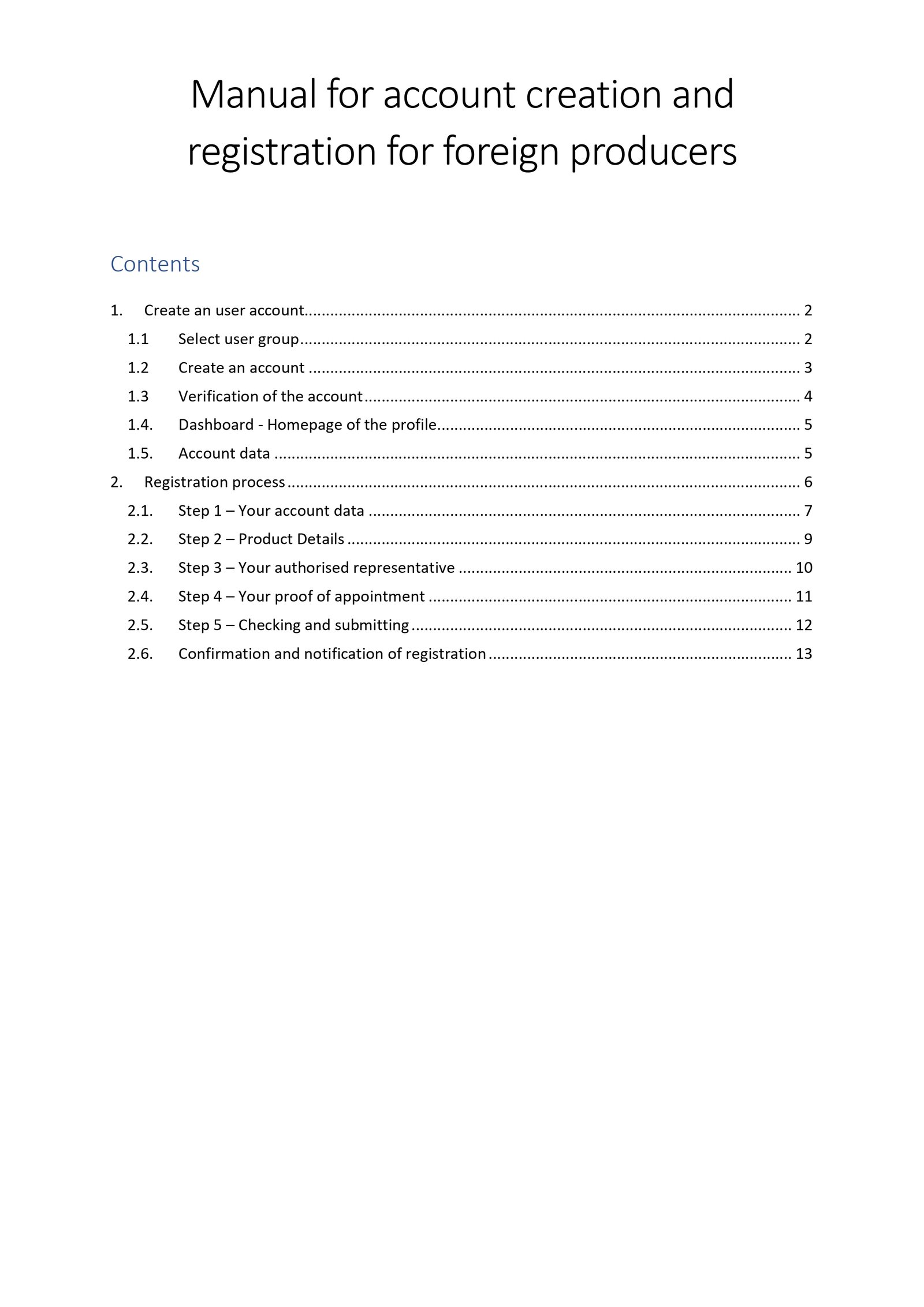
1. Account Creation and Registration
Before placing any eligible single-use plastic on the market, you must create an account on the official DIVID platform. You will need to provide your company details, European tax identification numbers, and select the specific categories of SUP products you sell.
2. Track Your Volumes Accurately
The fees you pay are directly tied to the weight and volume of the single-use plastic you introduce to the market. You must implement a reliable tracking system within your supply chain to monitor every gram of in-scope plastic across your entire product line over the calendar year.
3. Submit Your Annual Quantity Notification
Every year, you must submit a formal report detailing the exact volumes of SUP products sold in Germany during the previous calendar year.
The Deadline: The annual reporting deadline is May 15th. For example, your total volumes sold throughout 2024 must be successfully reported to DIVID by May 15, 2025.
4. Pay the Environmental Levy
Once your volumes are reported, the German Environment Agency will calculate your mandatory contribution based on predefined rates per kilogram (which vary by product category). Invoices are issued directly through the DIVID platform, and your payment is subsequently distributed to municipalities.
Don't Let Compliance Slip Through the Cracks
The DE SUP DIVID requirements are a prime example of Extended Producer Responsibility (EPR) in action. While compliance requires administrative effort and introduces new fees, it is a mandatory step for any business hoping to operate within Europe's largest economy.
Failing to register or misreporting volumes can result in severe fines, immediate sales bans on major marketplaces, and significant disruptions to your European supply chain.
Your Next Steps: Audit your product catalog today to identify any in-scope single-use plastics, set up your DIVID account if you haven't already, and ensure your inventory software is actively tracking the metrics you'll need for the May 15th reporting deadline.